
Keeping a vehicle reliable requires more than reacting when something goes wrong. Cars, trucks, and SUVs are complex systems made up of mechanical, electrical, and safety components that work together every time the engine starts. Over time, wear, environmental exposure, and driving habits all influence how those systems perform. A practical understanding of vehicle repairs and support services helps drivers make informed decisions, reduce stress, and avoid unexpected disruptions on the road.
Many vehicle issues begin as small, manageable concerns that gradually worsen when ignored. Strange noises, warning lights, reduced performance, or subtle changes in handling often signal that attention is needed. Knowing how to recognize these signs and respond appropriately allows drivers to address problems early, before they affect safety or lead to higher repair costs. Preparation also plays a role, as understanding available support options helps drivers feel more confident when challenges arise.
This guide is designed to help drivers better understand the range of repair and support solutions available throughout a vehicle’s life. From routine maintenance to unexpected situations, each section focuses on practical considerations that support safety, performance, and long-term reliability. By approaching vehicle care proactively and strategically, drivers can maintain greater control over their transportation needs and extend the usable life of their vehicles. A well-informed approach not only protects the vehicle itself but also supports safer, more predictable driving experiences over time.
Understanding Common Auto Service Needs
Every vehicle requires ongoing attention to remain dependable, regardless of age or driving frequency. Common service needs develop through normal use, exposure to weather, and gradual component wear. Addressing these needs on a consistent basis helps maintain performance, fuel efficiency, and safety while reducing the likelihood of sudden breakdowns. Routine care also supports resale value by keeping the vehicle in better overall condition.
Understanding auto services allows drivers to anticipate maintenance rather than react to problems. These services often include inspections, fluid checks, filter replacements, and system evaluations that identify issues early. Staying informed about recommended service intervals helps drivers plan ahead and avoid unnecessary strain on critical components. When drivers recognize the purpose behind routine maintenance, they are more likely to stay consistent and proactive.
Awareness also supports better communication when discussing vehicle concerns. Knowing basic service categories helps drivers explain symptoms clearly and understand recommendations more confidently. Over time, this familiarity builds trust in the maintenance process and reduces uncertainty around vehicle care decisions. A strong understanding of common service needs creates a foundation for smarter planning, improved reliability, and fewer unexpected interruptions.
Knowing When Repairs Are Necessary
Recognizing when a vehicle needs repairs is a key skill for any driver. While some issues are obvious, others develop gradually and may be easy to overlook. Changes in handling, braking response, engine behavior, or dashboard indicators often signal that attention is needed. Ignoring these warning signs can increase safety risks and lead to more costly repairs over time.
Professional evaluation plays an important role when uncertainty exists. Auto repair shops provide diagnostic tools and experience that help identify the root cause of problems accurately. Rather than guessing or delaying action, timely assessment allows drivers to understand the scope of an issue and decide on appropriate next steps. Clear explanations and transparent recommendations help drivers prioritize repairs based on urgency and impact.
Knowing when to pursue repairs also supports long-term vehicle planning. Addressing problems early often extends component life and prevents damage from spreading to related systems. This approach reduces downtime and supports more predictable ownership costs. By responding promptly and seeking professional insight when needed, drivers protect both their vehicles and their peace of mind while maintaining safer driving conditions.
Addressing Visibility and Glass Damage
Clear visibility is essential for safe driving, yet glass damage is often underestimated until it interferes with daily use. Windshields protect drivers from debris, support structural integrity, and play a role in airbag deployment. Even minor chips or cracks can compromise these functions over time, especially when exposed to temperature changes, moisture, or road vibrations. Addressing glass damage early helps maintain safety and prevents small issues from escalating into larger, more expensive problems.
Damage to vehicle glass can occur for many reasons, including flying debris, sudden temperature shifts, or minor collisions. While a crack may initially seem cosmetic, it can spread quickly and distort visibility, particularly in direct sunlight or poor weather conditions. Windshield crack repair is often a timely solution when damage is caught early, helping restore clarity and strength without requiring full replacement. Acting promptly reduces safety risks and helps drivers avoid unexpected failures that could interfere with inspections or daily driving. Maintaining clear, undamaged glass supports safer navigation, improves driver confidence, and contributes to overall vehicle reliability.
Maintaining Braking and Safety Systems
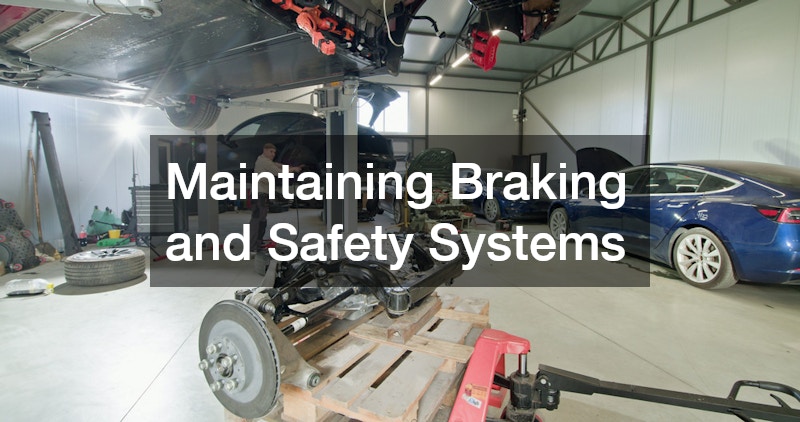
Braking systems are among the most critical safety components in any vehicle. They are responsible for controlling speed, maintaining stability, and preventing collisions in both routine and emergency situations. Over time, brake components experience wear from regular use, road conditions, and driving habits. Monitoring brake performance helps drivers recognize early warning signs and maintain consistent stopping power.
Symptoms such as squealing noises, vibration, reduced responsiveness, or longer stopping distances often indicate wear within the braking system. Addressing these signs promptly helps prevent damage to related components and supports overall vehicle safety. Brake repair typically involves evaluating pads, rotors, calipers, and fluid levels to confirm proper function. Timely service helps restore reliable braking performance and reduces the risk of sudden failure.
Maintaining braking systems also supports smoother driving and greater control in varying conditions. Well-functioning brakes improve handling, reduce stress during traffic, and support predictable stopping behavior. By prioritizing brake health and responding to early indicators, drivers protect themselves, passengers, and others on the road while extending the life of their vehicle’s safety systems.
Managing Engine and Transmission Issues
The engine and transmission work together to power movement, manage speed, and transfer energy efficiently throughout the vehicle. Because of their complexity and constant use, issues within these systems can significantly affect performance and reliability. Changes in acceleration, unusual noises, slipping gears, or delayed response often signal underlying concerns that require attention.
Transmission problems, in particular, can worsen quickly if left unaddressed. Transmission repair may involve addressing fluid issues, worn components, or mechanical faults that affect shifting and power delivery. Early diagnosis helps prevent cascading damage that could impact the engine or drivetrain. Recognizing symptoms and seeking evaluation promptly supports smoother operation and reduces the likelihood of extended downtime.
Proper management of engine and transmission health also supports fuel efficiency and overall longevity. Routine inspections, timely servicing, and attention to warning signs help maintain consistent performance under daily driving conditions. By addressing engine and transmission issues proactively, drivers maintain greater control over repair costs, reduce unexpected failures, and support a more dependable driving experience over the life of the vehicle.
Handling Unexpected Vehicle Breakdowns
Vehicle breakdowns can happen with little warning, even when a car is regularly maintained. Flat tires, battery failures, overheating, or mechanical malfunctions can leave drivers stranded and unsure of what to do next. Knowing how to respond calmly and efficiently during these situations helps reduce stress and keeps safety the top priority. Preparation plays a major role, as having a plan in place allows drivers to focus on resolving the situation rather than reacting out of panic.
When a vehicle becomes disabled, access to a tow truck provides a reliable solution for transporting the car to a safe location or repair facility. Prompt towing reduces the risk of further damage and keeps drivers out of potentially hazardous roadside conditions. Understanding when towing is necessary, rather than attempting temporary fixes, helps protect both the vehicle and its occupants. Being prepared for breakdowns supports faster recovery, minimizes disruption, and helps drivers regain control during unexpected situations.

Supporting Vehicle Security and Access
Vehicle security is often overlooked until access becomes a problem. Lost keys, damaged locks, or malfunctioning security systems can prevent drivers from using their vehicles when they need them most. These situations can be especially frustrating when they occur outside the home or during time-sensitive moments. Maintaining awareness of security features and access options helps drivers respond quickly and avoid unnecessary delays.
Professional assistance from a lock smith can restore access while protecting the integrity of the vehicle’s locking system. Modern vehicles often use advanced key technology that requires proper handling to avoid damage. Seeking appropriate help helps prevent costly mistakes and supports long-term functionality. Addressing access issues promptly also reduces stress and limits the impact on daily routines. Reliable vehicle security and access solutions play an important role in maintaining independence and peace of mind for drivers.
Improving Comfort and Interior Protection
Comfort and interior protection contribute to a more enjoyable driving experience, especially for those who spend significant time on the road. Temperature control, glare reduction, and interior preservation all affect how a vehicle feels during daily use. Over time, exposure to sunlight and heat can cause fading, discomfort, and wear that diminishes the vehicle’s interior condition.
Window tinting is one option drivers consider to enhance comfort and protect interior surfaces. Properly applied tint can reduce glare, improve temperature regulation, and help preserve upholstery and dashboards. Beyond comfort, interior protection supports long-term vehicle value by slowing visible wear. When comfort improvements are thoughtfully selected, they enhance daily driving while also contributing to the overall care and longevity of the vehicle.
Recognizing Road and Driving Conditions
Road conditions play a significant role in how safely and efficiently vehicles operate. Lane visibility, traffic flow, and surface markings all influence driver awareness and reaction time. Changes in road quality, construction zones, or unfamiliar layouts can increase the likelihood of sudden braking or evasive maneuvers. Recognizing these conditions helps drivers adjust speed, following distance, and attention to maintain safer control behind the wheel.
Clear visual guidance is especially important in high-traffic or low-visibility environments. Elements such as road striping help define lanes, signal turning zones, and guide drivers through intersections and work areas. When markings are visible and well-maintained, drivers can make quicker, more confident decisions. Awareness of how road conditions interact with vehicle performance supports safer navigation and reduces unnecessary strain on braking and steering systems. By staying alert to changing driving environments, drivers improve safety for themselves and others while supporting smoother, more predictable travel.
Planning for Long-Term Vehicle Reliability
Long-term vehicle reliability depends on thoughtful planning and realistic expectations. Over time, even well-maintained vehicles experience component fatigue due to mileage, age, and usage patterns. Planning ahead allows drivers to prepare for major decisions rather than being forced into them unexpectedly. Understanding a vehicle’s lifecycle helps balance ongoing maintenance with future considerations.
Some repairs eventually reach a point where replacement becomes the most practical option. Engine replacement is typically considered when damage or wear significantly affects performance or reliability. This decision involves evaluating costs, vehicle condition, and long-term value rather than reacting solely to immediate symptoms. Planning for major repairs in advance helps drivers make informed choices and avoid rushed decisions under pressure.
A forward-looking approach supports better budgeting, fewer surprises, and more consistent performance. By recognizing when a vehicle is transitioning from routine maintenance to major repair considerations, drivers maintain control over reliability and safety throughout ownership.
Vehicle repairs and support services are part of responsible ownership, not just emergency solutions. Understanding how different systems function, recognizing warning signs, and knowing when to seek assistance helps drivers stay ahead of problems rather than reacting to them. A proactive approach supports safety, reduces stress, and helps control long-term costs.
From routine maintenance to unexpected situations, preparation plays a key role in how smoothly challenges are handled. Awareness of repair needs, road conditions, and support options allows drivers to respond confidently and protect both their vehicles and their time. Thoughtful planning also supports better decision-making when larger repairs or transitions arise.
Ultimately, a practical understanding of vehicle care creates reliability and peace of mind. When drivers stay informed and prepared, they extend the life of their vehicles and create safer, more predictable driving experiences. A well-maintained vehicle is not just transportation; it is a dependable tool that supports daily life, work, and mobility with confidence.