
Whether you’ve just driven a brand-new car off the lot or you’re coaxing a few more miles out of a trusty older model, one truth applies to every vehicle owner: the more intentionally you manage your car, the more value, safety, and enjoyment you get out of it. Your vehicle is likely one of the largest investments you’ll make, second only to your home, and like a home, it rewards the owners who pay attention to it. This guide walks you through ten essential areas of vehicle ownership — from financial protection and legal readiness to customization and technology upgrades — so you can make smarter decisions every step of the way.
Understanding Your Vehicle’s True Potential

Before you can get the most out of your car, you need to understand what it’s actually capable of. Every vehicle has a unique set of specifications — towing capacity, payload limits, fuel type requirements, and recommended service intervals — that define how it performs best. Ignoring these parameters doesn’t just lead to suboptimal performance; it can cause serious mechanical damage over time.
Start by spending quality time with your owner’s manual. Most drivers never open it past the first few pages, but it contains a wealth of information about everything from tire pressure recommendations to the meaning of dashboard warning lights. Knowing this information puts you in the driver’s seat — literally and figuratively — when it comes to maintenance decisions.
Finally, set realistic goals for your vehicle. A compact sedan isn’t going to perform like a pickup truck, and pushing any vehicle beyond its design limits leads to premature wear. Understanding what your car was built for helps you use it more effectively and plan for the upgrades or replacements that make sense down the road.
Smart Storage and Shelter Solutions
Where you park your vehicle has a bigger impact on its lifespan than most people realize. Prolonged exposure to sun, rain, snow, and temperature swings causes paint to fade, rubber seals to crack, and metal components to corrode. If you have access to a local carport or covered parking structure, take advantage of it. Even a simple canopy-style carport can dramatically reduce weather-related wear compared to leaving your vehicle fully exposed.
For those storing a seasonal vehicle — a convertible, a classic car, or a motorcycle — long-term storage requires a bit more planning. Use a breathable car cover, disconnect the battery or use a trickle charger, and keep tires properly inflated to prevent flat spots. Choosing a dry, temperature-stable space is essential for preserving both mechanical components and interior materials.
If you’re parking in an area prone to hail, high winds, or falling debris, consider investing in a more permanent shelter solution. The upfront cost is easily offset by avoiding a single major weather-related repair.
Protecting Yourself Financially
No matter how careful a driver you are, financial risk is part of owning a vehicle. Accidents happen, vehicles get stolen, and natural disasters don’t discriminate. That’s why the right insurance coverage isn’t just a legal requirement — it’s a critical financial safety net.
Working directly with a car insurance agent, rather than simply shopping online for the lowest price, gives you a significant advantage. An agent can evaluate your specific driving habits, vehicle type, and financial situation to recommend coverage that actually fits your life. They can also help you understand the fine print — what’s covered, what’s excluded, and what your deductible really means in a real-world scenario.
After any accident, your first call should be to your insurance provider. Document everything at the scene — photos, witness information, and a police report if applicable. Acting quickly and thoroughly protects your claim and ensures the process goes as smoothly as possible.
Legal Protection on the Road
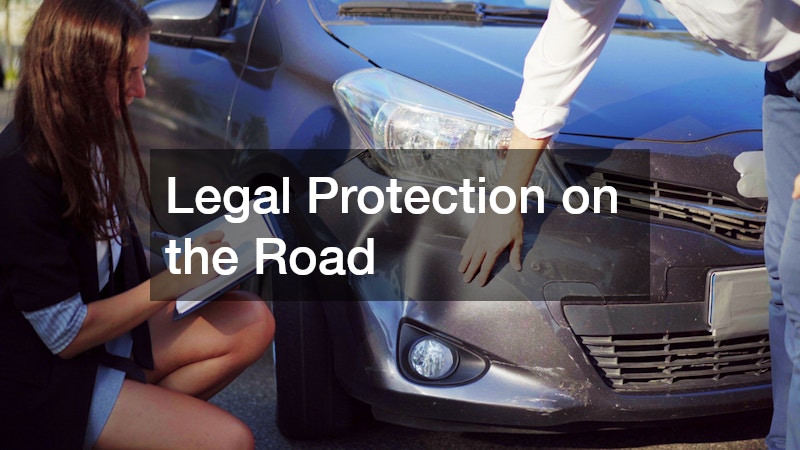
Even with great insurance, some accidents become legal matters — especially when injuries are involved or when fault is disputed. In these situations, knowing your rights isn’t optional; it’s essential. Many drivers don’t realize they have protections under the law that insurance companies may not volunteer to explain.
If you’ve been in a serious collision, consulting with the best car accident attorney you can find in your area could make a significant difference in the outcome. A qualified attorney understands how to navigate insurance negotiations, gather evidence, and advocate for fair compensation on your behalf. They can also identify when an insurance offer is far below what you’re actually entitled to receive.
Good documentation is your best ally in any legal situation. Keep a dedicated folder — physical or digital — with your insurance policy details, vehicle registration, and records of any accidents or repairs. If a legal dispute ever arises, having organized, thorough records gives your attorney the strongest possible foundation to work from.
Routine Maintenance That Saves You Money
There’s no more effective way to extend your vehicle’s life than following a consistent maintenance schedule. Oil changes, fluid top-offs, and filter replacements are the unglamorous backbone of vehicle longevity. Skipping them might save you money in the short term, but it almost always leads to far more expensive problems later.
Tires deserve particular attention. Regular rotation ensures even wear across all four tires, extending their usable life. Wheel alignment prevents your vehicle from pulling to one side and reduces stress on suspension components. Brake inspections — at least once a year — catch worn pads and rotors before they become a safety hazard.
The most expensive repairs are often the ones that could have been avoided with early detection. A minor coolant leak, a small oil seep, or a slightly worn belt might seem easy to ignore, but left unaddressed, each one can cascade into a major mechanical failure. Regular check-ins with a trusted mechanic keep small issues from becoming financial emergencies.
Navigating Auto Body Damage and Repairs
Dents, scratches, and collision damage are an inevitable part of vehicle ownership for most drivers. How you handle them makes a significant difference in both the cost of repairs and the long-term condition of your car. When damage occurs, resist the urge to either ignore it or rush into the first repair shop you find.
Getting a proper assessment is the critical first step. Many repair professionals now use repair estimate software to produce detailed, itemized quotes that account for parts, labor, and paint matching. This technology makes estimates far more accurate and transparent than the old pen-and-paper approach, and it gives you a clear basis for comparison if you’re getting multiple quotes. For more significant damage, quality auto body repairs can restore your vehicle to pre-accident condition — but only if you choose a shop with the right certifications and equipment.
Always ask whether the shop is certified by your vehicle’s manufacturer or by a recognized industry body. Quality auto body repairs require precision, the right materials, and skilled technicians. Cutting corners here can affect the structural integrity of your vehicle, not just its appearance.
Expanding Your Vehicle’s Hauling Capabilities

One of the most practical ways to get more utility out of your vehicle is to expand what it can carry and tow. Whether you’re moving furniture, hauling equipment for a job, or transporting recreational gear, the right accessories make it possible to do far more with the vehicle you already own.
Car trailers and haulers open up a world of possibilities for drivers who need to move large or heavy loads without owning a dedicated work truck. Flatbed trailers, enclosed cargo trailers, and utility trailers can typically be rented or purchased, and many passenger vehicles are capable of towing them with the right setup. A properly installed trailer hitch is the foundation of any towing setup, and it’s important to match your hitch class to your vehicle’s rated towing capacity.
Speaking of towing, safety should always come first. Check your mirrors before every trip, distribute weight evenly across the trailer, and never exceed your vehicle’s maximum tow rating. Brake controllers, trailer lights, and sway control devices are worth the investment for anyone who tows regularly.
Customizing for Comfort, Utility, and Adventure
Your vehicle doesn’t have to stay exactly as it came from the factory. Smart, purposeful customization can make it significantly more comfortable, more functional, and better suited to the way you actually use it. The key is to invest in upgrades that add genuine value rather than novelty.
For truck owners, a camper shell — also known as a truck cap — is one of the most versatile additions available. It converts the bed into a weatherproof cargo area, making it ideal for hauling equipment, protecting gear from the elements, or even sleeping during a camping trip. Paired with a bed liner and organized storage solutions, a camper shell dramatically increases the utility of a pickup truck.
SUV and crossover owners can benefit from roof racks, cargo organizers, and all-weather floor mats that protect the interior while adding practical storage space. For outdoor enthusiasts, outfitting your vehicle for adventure — with recovery gear, a portable air compressor, and off-road lighting — turns a standard SUV into a capable overlanding platform.
Advanced Technology Upgrades
Modern vehicles come equipped with impressive technology, but the aftermarket offers a wide range of upgrades that can make almost any car smarter, safer, and more convenient. Technology upgrades don’t have to break the bank to make a meaningful difference in your daily driving experience.
One of the most popular and practical upgrades is a remote start system, which allows you to start your engine from a distance — warming it up in winter or cooling it down in summer before you ever open the door. Finding experienced remote start installers in your area ensures the system is wired correctly and doesn’t interfere with your factory electronics or warranty. A botched installation can cause electrical issues that are costly to diagnose and fix.
Beyond remote start, consider dash cameras, blind-spot monitoring systems, and backup sensors for safety. For convenience, Apple CarPlay or Android Auto integration brings modern smartphone connectivity to older vehicles. Fuel efficiency apps and OBD-II diagnostic tools give you real-time insight into your vehicle’s performance and flag issues before they become serious problems.
Knowing When to Repair vs. Replace
At some point in every vehicle’s life, the repair-versus-replace question becomes unavoidable. It’s one of the most significant financial decisions a vehicle owner faces, and there’s no one-size-fits-all answer. The right choice depends on your vehicle’s current condition, its market value, and your own financial situation.
A common rule of thumb is to avoid spending more on repairs than the vehicle is currently worth. If your car’s market value is $6,000 and you’re facing a $7,500 transmission replacement, it rarely makes financial sense to proceed — unless the vehicle has sentimental value or other factors tip the scales. On the other hand, a well-maintained vehicle with relatively low mileage may be worth repairing even when the bill is significant, because replacing it would cost far more.
Watch for warning signs that a vehicle is approaching the end of its useful life: frequent breakdowns, multiple simultaneous repair needs, escalating fuel consumption, and rust or structural deterioration. When these signals appear together, transitioning to a different vehicle — rather than continuing to invest in a declining one — is often the smarter long-term move.
Getting the most out of your vehicle is about more than keeping it running. It’s about making informed, proactive decisions across every dimension of ownership — from where you park it and how you insure it, to how you customize it and when you finally let it go. Vehicles that are well cared for, properly protected, and thoughtfully upgraded deliver better performance, greater safety, and significantly more value over time.
Use this guide as a living reference. Return to it when you’re shopping for insurance, planning a towing setup, dealing with body damage, or thinking about your next upgrade. The drivers who get the most out of their vehicles aren’t necessarily the ones who spend the most — they’re the ones who pay attention, ask the right questions, and take action before small problems become big ones. Your vehicle is ready to work for you; give it the attention it deserves.