
Proper vehicle maintenance is one of the most important responsibilities of any car owner. A well-maintained vehicle performs more efficiently, lasts longer, and helps keep drivers and passengers safe on the road. Whether you drive daily for work, take frequent road trips, or simply rely on your vehicle for errands, regular upkeep ensures that every system in your car operates smoothly.
Many drivers underestimate how small maintenance habits can prevent major mechanical failures. Routine inspections, timely fluid changes, and careful attention to warning signs all play a role in protecting your vehicle’s performance. When maintenance is neglected, minor issues can escalate into expensive repairs and safety hazards.
Understanding the Importance of Routine Vehicle Inspections
Identifying Early Signs of Mechanical Wear
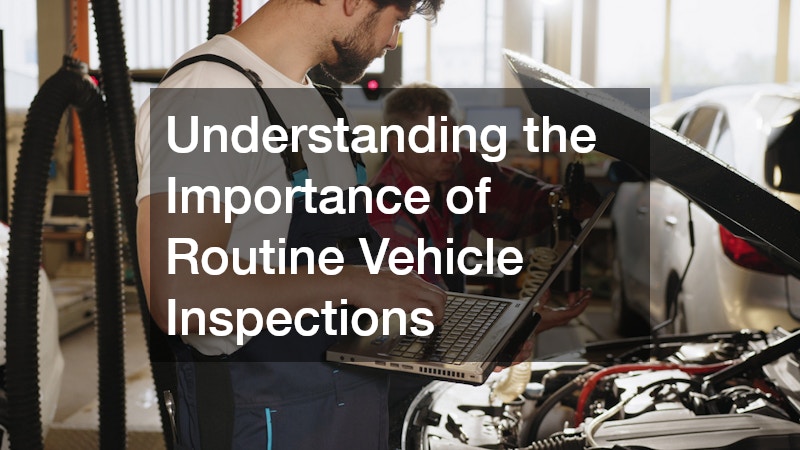
Routine inspections allow drivers to detect potential issues before they become major problems. Small warning signs—such as unusual noises, vibrations, or dashboard alerts—often indicate developing mechanical concerns. Addressing these signs early can prevent costly breakdowns and improve overall safety.
Regular inspections help drivers stay informed about their vehicle’s condition. Many vehicle owners rely on professional technicians at car repair shops to perform diagnostic checks and identify hidden issues that may not be visible during casual observation.
Inspecting Key Vehicle Components
Several vehicle systems should be inspected regularly to ensure reliable performance. Important components to examine include:
- Brakes and brake pads
- Tires and tire pressure
- Engine belts and hoses
- Fluid levels and filters
Routine checks of these components help maintain consistent vehicle performance and minimize the risk of sudden failures.
Monitoring Exterior Condition and Structural Integrity
The vehicle’s exterior plays a significant role in protecting internal components. Damage to the vehicle’s frame or panels can expose underlying systems to environmental factors such as moisture, debris, and corrosion.
Professionals who specialize in auto body services often identify structural issues that may not be obvious to drivers. Even small dents or scratches can affect long-term durability if they expose metal surfaces.
Creating a Consistent Inspection Schedule
Drivers benefit from establishing a consistent maintenance schedule. A good routine includes:
- Monthly tire and fluid checks
- Quarterly inspection of belts and filters
- Annual professional vehicle inspection
Following a schedule helps drivers maintain control over their vehicle’s performance and prevent unexpected mechanical issues.
Maintaining Engine Performance for Long-Term Reliability
Changing Engine Oil Regularly
Engine oil lubricates internal engine components, reducing friction and preventing overheating. Over time, oil becomes contaminated with debris and loses its effectiveness. Regular oil changes help maintain engine efficiency and extend the life of internal parts.
Most manufacturers recommend oil changes at intervals based on mileage or time. Drivers should follow these guidelines carefully to protect engine performance.
Replacing Air and Fuel Filters
Air filters prevent dirt and debris from entering the engine, while fuel filters ensure clean fuel reaches the combustion chamber. When these filters become clogged, the engine must work harder, reducing efficiency and performance.
Replacing filters according to manufacturer recommendations helps maintain optimal engine airflow and fuel delivery.
Addressing Specialized Engine Needs
Certain vehicles require specialized maintenance procedures due to unique engine designs or performance features. For example, vehicles with high-performance engines may require technicians experienced in bmw repairs or other manufacturer-specific service procedures.
Using technicians with brand expertise ensures that complex engine systems receive proper care and attention.
Recognizing Engine Warning Signs
Drivers should pay attention to warning signs that may indicate engine trouble, including:
- Reduced acceleration
- Rough idling or stalling
- Increased fuel consumption
- Warning lights on the dashboard
Responding quickly to these symptoms can prevent more serious mechanical problems.
Protecting Your Vehicle’s Exterior and Structural Components
Preventing Rust and Corrosion
Environmental exposure can cause rust and corrosion, especially in regions with heavy rain, humidity, or road salt. Regular washing and waxing help protect paint surfaces and prevent moisture from penetrating metal components.
Repairing Cosmetic Damage Promptly
Minor scratches and dents may seem harmless, but they can lead to long-term damage if left untreated. Exposed metal surfaces can corrode quickly, weakening surrounding panels.
Seeking local auto body repair services allows drivers to address cosmetic damage before it spreads or affects structural integrity.
Maintaining Protective Exterior Features
Vehicle exteriors often include protective features such as trim, sealants, and coatings that guard against environmental damage. These elements require periodic inspection to ensure they remain intact and effective.
Understanding the Role of Collision Restoration
After an accident, restoring the vehicle’s structural integrity is essential. Professional technicians specializing in local collision repair evaluate frame alignment, panel damage, and safety system functionality.
Ensuring Clear Visibility Through Proper Glass Maintenance

Inspecting Windshields and Windows
Vehicle glass plays a crucial role in driver visibility and structural stability. Windshields support the roof structure during rollovers and protect occupants from debris.
Addressing Small Chips Quickly
Even small windshield chips can expand due to temperature changes, road vibrations, or additional impact. Prompt repair prevents cracks from spreading and avoids the need for full windshield replacement.
Replacing Damaged Glass Components
When cracks become too large for repair, replacing the affected glass is necessary. Reputable auto glass companies provide professional replacement services that ensure proper installation and sealing.
Maintaining Window Functionality
Vehicle windows rely on mechanical regulators and seals to function smoothly. Drivers should ensure windows open and close properly without unusual resistance or noise.
Improving Comfort and Protection With Smart Interior Upgrades
Managing Heat and Sun Exposure
Excessive sunlight entering a vehicle can cause interior materials to fade, crack, or deteriorate. Heat buildup also affects driver comfort and can strain air conditioning systems.
Many drivers choose auto window tinting to reduce interior temperatures and protect upholstery from UV damage.
Preserving Interior Materials
Vehicle interiors include materials such as leather, vinyl, and fabric that require regular care. Cleaning and conditioning these surfaces helps prevent premature wear and maintains a comfortable driving environment.
Maintaining Air Quality Inside the Vehicle
Cabin air filters remove dust, pollen, and pollutants from the air entering the vehicle’s ventilation system. Over time, these filters become clogged and reduce airflow.
Enhancing Driver Comfort Through Ergonomic Adjustments
Drivers should adjust seat positions, steering wheel placement, and mirrors to maintain proper posture and visibility. Comfortable seating positions reduce fatigue during long drives and improve overall driving safety.
Monitoring Tire Health and Driving Stability
Checking Tire Pressure Regularly
Proper tire pressure is essential for safe driving and optimal fuel efficiency. Underinflated tires increase rolling resistance, causing the engine to work harder and consume more fuel. Overinflated tires, on the other hand, reduce traction and can lead to uneven wear patterns.
Drivers should check tire pressure at least once a month and before long trips. Using the manufacturer’s recommended pressure levels helps ensure balanced performance and improved handling on the road.
Rotating Tires to Extend Their Lifespan
Tires do not wear evenly because different wheels carry varying amounts of weight and experience different driving forces. Rotating tires periodically allows them to wear more evenly and last longer.
Most automotive professionals recommend rotating tires every few thousand miles or during routine service visits at trusted car repair shops. Consistent rotation not only extends tire life but also improves steering responsiveness.
Inspecting Tread Depth for Safe Traction
Tire tread plays a critical role in maintaining traction, especially during rainy or slippery conditions. Worn tires can reduce grip and increase the risk of hydroplaning.
Drivers should inspect tread depth regularly and replace tires when the tread becomes too shallow. Signs that tires need replacement include:
- Visible tread wear indicators
- Uneven wear patterns
- Cracks in the tire sidewall
- Reduced traction during braking
Maintaining Proper Wheel Alignment
Wheel alignment affects how tires contact the road surface. When alignment becomes uneven, tires wear faster and the vehicle may pull to one side while driving.
Regular alignment checks help maintain balanced handling and prevent premature tire wear. Technicians often recommend alignment inspections when new tires are installed or after significant impacts with potholes or curbs.
Managing Electrical Systems and Battery Performance
Testing Battery Health Periodically
A vehicle’s battery powers essential electrical components, including the ignition system, lights, and onboard electronics. Over time, batteries lose their ability to hold a charge, especially in extreme weather conditions.
Drivers should test battery health regularly to ensure reliable starting performance. Professional inspections help determine whether the battery needs replacement before it fails unexpectedly.
Inspecting Electrical Connections and Wiring
Electrical systems rely on numerous wires and connectors that distribute power throughout the vehicle. Loose connections or corroded terminals can interrupt electrical flow and cause malfunctioning components.
Technicians often inspect electrical systems during routine maintenance to ensure reliable operation. Proper care of electrical components helps prevent sudden failures while driving.
Recognizing Signs of Electrical Problems
Electrical issues can manifest in several ways, including:
- Flickering dashboard lights
- Difficulty starting the vehicle
- Malfunctioning power windows or locks
- Warning lights appearing unexpectedly
When drivers notice these symptoms, seeking professional evaluation quickly can prevent more serious complications.
Understanding the Role of Safety Technology
Modern vehicles include numerous safety systems such as advanced driver assistance features, sensors, and monitoring systems. These technologies rely heavily on electrical components.
Regular maintenance ensures these systems remain calibrated and functional, helping drivers maintain safe driving conditions and respond effectively to potential hazards.
Preparing for Accidents and Emergency Situations
Understanding Post-Accident Vehicle Inspections
Even minor accidents can cause hidden damage to a vehicle’s structural components. Drivers should have their vehicles inspected after collisions to ensure safety systems and structural elements remain intact.
Seeking Medical Evaluation After an Accident
When drivers or passengers experience discomfort after a collision, medical evaluation is important. In some cases, injuries may not appear immediately after an accident.
Healthcare professionals such as an auto accident doctor can assess injuries and provide guidance for proper treatment. Addressing medical concerns early helps ensure long-term health and recovery.
Documenting Damage for Insurance Purposes
Accidents often require communication with insurance providers to document damage and determine coverage. Accurate records help streamline the claims process and reduce delays.
Drivers often work closely with auto insurance agencies when filing claims. Clear documentation, photographs, and inspection reports help ensure that repairs are completed properly.
Keeping an Emergency Preparedness Kit
Every vehicle should include an emergency kit that helps drivers respond to unexpected roadside situations. A well-equipped kit may include:
- Flashlights and extra batteries
- Jumper cables
- First aid supplies
- Basic tools and tire repair kits
- Reflective warning triangles
Protecting Your Vehicle Through Smart Modifications
Understanding Performance Modifications
Many drivers enjoy upgrading their vehicles to enhance performance or aesthetics. However, modifications should be approached carefully to ensure they do not compromise reliability or safety.
Exploring Customization Options
Vehicle customization often involves upgrades to suspension systems, engines, or exterior components. Some drivers pursue a car conversion to transform the vehicle’s function or performance capabilities.
Maintaining Compatibility With Existing Systems
Vehicle systems are designed to work together in carefully balanced configurations. Modifications that disrupt this balance can create mechanical issues if installed improperly.
Protecting Warranty and Resale Value
Certain modifications may affect vehicle warranties or resale value. Before making significant changes, drivers should research how upgrades might impact long-term ownership benefits.
Developing a Long-Term Maintenance Strategy
Creating a Maintenance Calendar
A structured maintenance schedule helps drivers stay organized and proactive. A maintenance calendar typically includes routine tasks such as oil changes, tire rotations, and system inspections.
Building Relationships With Skilled Technicians
Reliable technicians play an important role in maintaining vehicle health. Establishing relationships with trusted professionals ensures drivers receive accurate advice and consistent service.
Tracking Service Records and Documentation
Keeping detailed service records provides valuable information for both current owners and future buyers. Maintenance documentation demonstrates responsible ownership and can improve resale value.
Staying Informed About Vehicle Technology
Modern vehicles continue to evolve with new technologies and safety features. Drivers who stay informed about their vehicle’s systems can better understand maintenance needs and recognize potential issues.
Keeping a vehicle running expertly requires consistent attention, responsible maintenance habits, and a willingness to address small issues before they escalate. Vehicles are complex machines made up of interconnected systems that must operate together smoothly in order to provide safe and reliable transportation.
By developing a thoughtful maintenance routine and staying attentive to the vehicle’s needs, drivers can extend the lifespan of their cars while enjoying consistent performance and peace of mind.