
Vehicle breakdowns are incredibly stressful. Whether you are dealing with a sudden, unnerving clunking sound on your morning commute, a warning light illuminating on your dashboard, or a minor cosmetic scrape that is ruining the look of your vehicle, the anxiety is universally understood. The immediate dilemma for most drivers is figuring out exactly where to take their car. Do you go to a specialist for the engine, a separate facility for the suspension, and yet another for the bodywork? Bouncing between multiple specialized garages is exhausting, time-consuming, and often far more expensive than it needs to be.
This is where the immense value of a truly comprehensive repair facility comes into play. A comprehensive shop is designed to be a one-stop destination for nearly all your automotive needs. These high-tier facilities combine the deep technical expertise required for complex engine diagnostics with the practical capabilities needed for routine fluid changes, suspension work, and even minor aesthetic corrections. Finding a shop that can honestly and effectively handle this wide spectrum of services requires careful vetting.
This complete guide will walk you through exactly what to look for, the critical questions you must ask service advisors, and the red flags you need to avoid. By knowing how to evaluate a facility’s staff, technology, and customer service policies, you can establish a lifelong partnership with a trustworthy garage, saving you thousands of dollars and countless headaches over the life of your vehicles.
Assess Staff Qualifications and Core Technical Expertise

The foundation of any outstanding service center is the people turning the wrenches. When you are looking for a facility that handles everything from basic oil changes to deep engine teardowns, you cannot afford to rely on uncertified hobbyists. The automotive industry is rapidly evolving, with modern vehicles featuring incredibly complex computer networks, advanced electrical systems, and intricate mechanical layouts. Therefore, evaluating the credentials, experience, and ongoing training of the staff is your most critical first step.
You should always start by looking for ASE (Automotive Service Excellence) certifications. This national standard ensures that the technicians have passed rigorous testing in specific automotive disciplines. A comprehensive shop should ideally have ASE Master Technicians on the payroll. These individuals have passed a battery of tests across multiple specialties and are generally the most equipped to diagnose baffling, multi-system failures that leave lesser technicians guessing. Beyond certifications, you want to ensure the auto mechanics on staff undergo continuous education to stay abreast of the latest manufacturer updates, hybrid systems, and changing diagnostic protocols. If a shop relies solely on outdated knowledge, they will struggle to properly service anything built in the last decade.
Furthermore, a top-tier shop must possess versatile expertise across a variety of complex drivetrains. It is not enough to just know how to swap out an alternator on a standard sedan. You want a team that understands the nuances of various engineering designs. For example, if you drive a vehicle with a stick shift, you need to know the team has specific, proven experience completing a manual transmission repair, which requires a distinctly different skill set and understanding of clutch dynamics, synchronizers, and gear linkages compared to standard automatic gearboxes.
-
ASE Blue Seal of Excellence: Look for this specific plaque, which indicates a high percentage of the shop’s staff are fully ASE certified.
-
Diverse Vehicle Manufacturer Experience: Ensure they have specialists who understand domestic, Asian, and European engineering quirks.
-
Continuous Training Records: Do not be afraid to ask the service manager how often their team attends updated training seminars.
-
Specialty Drivetrain Knowledge: Verify their comfort level with complex all-wheel-drive systems, continuously variable transmissions (CVTs), and hybrid-electric powertrains.
-
Clear Chain of Command: A good shop has a lead diagnostician or shop foreman who oversees the complex diagnostic work of junior staff.
Investigate Their Diagnostic Technology and Precision Tools
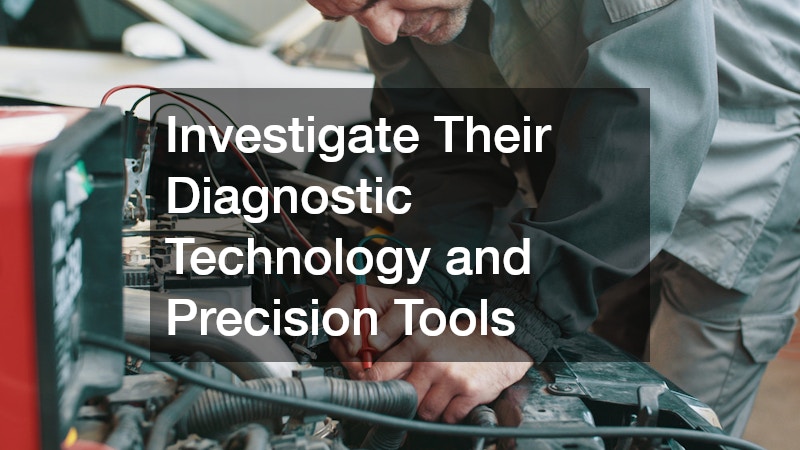
It is a common saying in the industry today that modern cars are essentially sophisticated computers on wheels. A standard vehicle rolling off the assembly line today contains dozens of interrelated computer modules controlling everything from the fuel injection timing and anti-lock brakes to the climate control and infotainment systems. Because of this, mechanical intuition is no longer enough to fix a car. A comprehensive shop must invest heavily in state-of-the-art diagnostic technology and precision machinery. Without the right scanners, technicians are reduced to firing the “parts cannon”—guessing at the problem and replacing expensive parts at your expense until the issue is accidentally fixed.
When evaluating a shop, ask about the diagnostic scanners they use. They should possess top-tier, bi-directional scan tools that do more than just read generic OBD-II codes. A bi-directional tool allows the technician to actively command modules to turn on and off, testing actuators, solenoids, and sensors in real-time to pinpoint the exact point of electrical or mechanical failure. Furthermore, consider the precision equipment they use for routine maintenance. For instance, you must ensure that when you bring your vehicle in for new tires, the subsequent alignment is performed using specialized, laser-guided computerized racks that guarantee your vehicle’s suspension geometry matches exact factory specifications. Poorly calibrated equipment leads to uneven tire wear, pulling steering wheels, and compromised safety.
Technology is also vital when dealing with modern safety systems. Today’s vehicles are equipped with Advanced Driver Assistance Systems (ADAS), which include lane-departure warnings, automatic emergency braking, and adaptive cruise control. These systems rely on perfectly aimed cameras and radar sensors. If a shop replaces a windshield or alters the suspension, they must have the costly ADAS calibration equipment to reset these sensors. Additionally, in the aftermath of a collision, a modern shop should be trained in automotive crash data retrieval to download and analyze the vehicle’s event data recorder, ensuring all impacted electronic safety systems, airbags, and seatbelt pretensioners are properly diagnosed and replaced if necessary.
-
Bi-Directional Scanning Tools: Ensure the shop uses professional-grade scanners (like Snap-on or Autel) capable of deep module communication.
-
ADAS Calibration Capabilities: Verify they have the targets and optical equipment to recalibrate safety sensors after suspension or body work.
-
Laser-Guided Suspension Equipment: Check that they use modern, computerized racks for suspension geometry adjustments rather than outdated manual methods.
-
Digital Oscilloscopes: Look for shops that use lab scopes to visually analyze electrical waveforms for deeply hidden electrical shorts.
-
Factory-Level Software: Ask if they have access to OEM (Original Equipment Manufacturer) software subscriptions for your specific make and model.
Prioritize Routine Safety and Braking System Competency
While engine rebuilds and complex electrical diagnostics showcase a shop’s high-end capabilities, the vast majority of your visits will be for routine maintenance and safety-critical wear items. Chief among these safety items is your vehicle’s braking system. A comprehensive repair facility must treat routine safety inspections with the utmost seriousness, refusing to cut corners on the systems that protect your life on the highway.
A great shop does not simply wait for you to complain about a grinding noise; they proactively protect you. They should perform comprehensive multi-point inspections every time your vehicle is on the lift, checking the thickness of your brake pads, the condition of your rotors, the moisture content in your brake fluid, and the integrity of your hydraulic lines. When evaluating your local brake repair options, you must look past the shops offering suspiciously cheap, loss-leader pricing. Shops that advertise unbelievable discounts often use inferior, low-grade aftermarket parts that wear out quickly, produce excessive brake dust, and dramatically increase your stopping distance.
When you schedule an auto brake repair at a reputable, comprehensive facility, the service advisor should transparently explain the quality of the friction materials they intend to use. They should offer you a choice between OEM (Original Equipment Manufacturer) components, high-quality ceramic pads that offer quiet operation and low dust, or robust semi-metallic pads for heavy towing applications. Furthermore, a thorough job includes cleaning and lubricating the caliper slide pins, ensuring the anti-rattle clips are replaced, and meticulously torquing the lug nuts to the manufacturer’s exact specifications.
-
Detailed Multi-Point Inspections: The shop should provide a checklist detailing the remaining life of your pads and rotors in millimeters.
-
Premium Component Sourcing: Verify that they refuse to install unbranded, “white box” friction materials that compromise safety.
-
Brake Fluid Testing: Ensure they test your hydraulic fluid for copper content and moisture intrusion, which can boil under heavy braking and cause failure.
-
Proper Caliper Maintenance: A quality job always includes cleaning rust from the hub and lubricating all moving caliper hardware to prevent seizing.
-
Rotor Resurfacing vs. Replacement: The technicians should measure rotor thickness with a micrometer to tell you honestly if the rotors can be safely machined or if they must be replaced.
Ensure Capability for Heavy-Duty and Large-Scale Frameworks
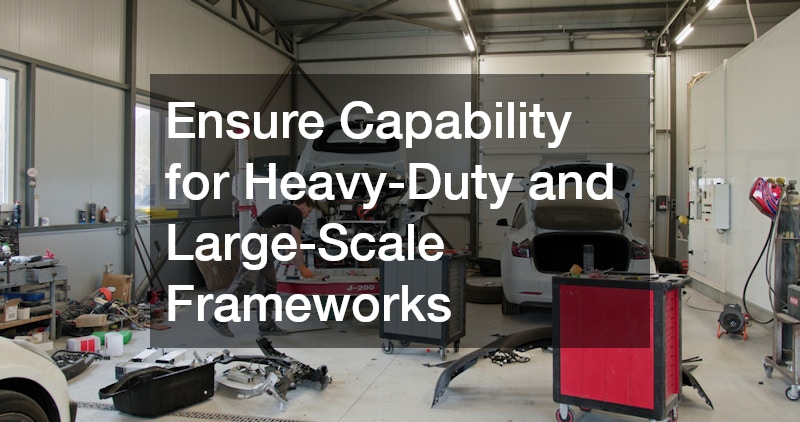
If you own a large SUV, a heavy-duty pickup, or manage a fleet of commercial utility vans, your criteria for a comprehensive shop must expand significantly. Many standard neighborhood garages are simply not physically equipped to handle oversized vehicles. A shop might have excellent mechanics, but if their lifts max out at 7,000 pounds or their bay doors are too low, they cannot safely service a fully loaded commercial vehicle.
When vetting a facility for larger vehicles, physical infrastructure is the first thing you must inspect. A comprehensive facility that genuinely operates as a truck repair shop will have heavy-duty, multi-post lifts capable of hoisting 12,000 to 18,000 pounds with ease. They will have high ceilings, wide turning radiuses in the parking lot, and specialized heavy-duty tire mounting and balancing machines. Without this infrastructure, technicians are forced to work on the ground using floor jacks, which is unsafe, slow, and limits their ability to perform thorough undercarriage inspections on large vehicles.
Beyond physical space, servicing heavy-duty vehicles requires a specialized supply chain and deep knowledge of commercial engines. Commercial vehicles cannot afford to sit on a lift for days waiting for parts to ship from across the country; downtime directly translates to lost revenue. Therefore, the shop’s service writers must have established, expedited relationships with commercial parts suppliers, ensuring they have immediate, same-day access to heavy-duty diesel truck parts, heavy-rated suspension components, and oversized commercial tires.
-
High-Capacity Lifts: Verify the shop has two-post or four-post lifts rated for at least 12,000 pounds to handle one-ton pickups and commercial vans safely.
-
Oversized Bay Doors: Ensure the physical dimensions of the garage can accommodate vehicles with ladder racks or high-roof cargo configurations.
-
Expedited Parts Sourcing: Ask the service manager about their commercial supply chain and typical turnaround times for heavy-duty components.
-
Heavy-Duty Fluid Management: The shop must be equipped to handle the massive fluid capacities (oil, coolant, transmission fluid) of large commercial engines efficiently.
-
Specialty Commercial Tooling: Ensure they have the necessary heavy-duty torque wrenches, impact guns, and specialized pullers required for large-scale suspension and drivetrain work.
Check for Seamless Aesthetic and Minor Collision Fixes
Traditionally, the automotive repair industry has been rigidly divided: mechanics handle the engine and suspension, while auto body shops handle the paint and sheet metal. However, a truly comprehensive modern facility bridges this gap to offer unparalleled convenience to the consumer. While a mechanical shop won’t have a massive paint booth to fix a severely wrecked car, the best ones recognize that their customers frequently suffer from minor cosmetic damage that does not warrant a complicated insurance claim or a week-long stay at a traditional body shop.
You should look for a service center that integrates minor exterior corrections into their service offerings. Imagine dropping your car off for a routine water pump replacement and having a technician simultaneously remove the unsightly door dings you acquired in the grocery store parking lot. Top-tier shops frequently partner with specialized cosmetic technicians to offer paintless dent repairs. This highly skilled process involves using customized metal rods and reflective lighting to meticulously massage dents out of the sheet metal from the inside, perfectly restoring the panel without ever requiring body filler or repainting. This preserves your factory clear coat and dramatically improves your vehicle’s resale value in just a few hours.
Similarly, cosmetic damage to plastic fascias is incredibly common. A shop that prioritizes full-spectrum customer care will often facilitate mobile bumper repairs on-site. By utilizing specialized plastic welding techniques, heat reshaping, and localized color-matching spray technologies, they can fix scuffs, minor cracks, and deep scratches while your car is already immobilized for mechanical work. Finding a facility that offers this level of comprehensive, cross-disciplinary care saves you the massive inconvenience of coordinating multiple appointments across town.
-
On-Site Cosmetic Partnerships: Ask if the shop has trusted vendors who visit their facility to handle minor body blemishes during mechanical downtime.
-
Preservation of Factory Paint: Ensure any dent removal prioritizes techniques that avoid sanding, body filler, and non-factory paint blending whenever possible.
-
Plastic Welding Capabilities: Verify that minor fascia damage is properly structurally repaired with plastic welding rather than just temporarily glued or filled.
-
Headlight Restoration Services: A good comprehensive shop should also offer UV-cured headlight polishing to fix yellowed, foggy lenses, improving both aesthetics and night-time safety.
-
Windshield Chip Repair: Look for facilities that can quickly inject resin into minor glass chips before they spread into massive cracks requiring a full windshield replacement.
Analyze Warranties, Transparency, and Customer Communication
Even with the best technicians and the most advanced equipment, auto repair is a complex, human endeavor, and occasionally, replacement parts fail prematurely. What truly separates a mediocre garage from an exceptional, comprehensive auto repair facility is how they handle the business side of the transaction and how they protect you after you drive off the lot. A shop’s warranty policy, their commitment to upfront transparency, and their modern communication methods are non-negotiable pillars of trust.
First, demand robust, nationwide warranty protection. A standard 30-day or 90-day guarantee is entirely insufficient. Top-tier facilities stand behind their labor and the premium parts they source by offering substantial warranties, typically starting at 12 months or 12,000 miles, with the industry’s best pushing to 24 months or 24,000 miles. Furthermore, the best shops are often affiliated with national networks. This means if you have a water pump replaced and it fails while you are on a road trip three states away, you can visit another affiliated shop in the network to have the repair handled free of charge. This level of coverage provides absolute peace of mind.
Transparency and modern communication are equally critical. You should never feel pressured, confused, or kept in the dark about how your money is being spent. Elite shops now utilize Digital Vehicle Inspections (DVIs). Instead of a service writer simply calling you and listing off thousands of dollars in necessary repairs, a DVI system sends a secure link to your smartphone. This link contains high-resolution photos and videos taken by the technician, visually proving exactly why a belt is dangerously cracked, why a suspension bushing is torn, or why a fluid is heavily contaminated. Coupled with a strict policy of providing itemized, written estimates before any work begins, DVIs remove the anxiety of auto repair, allowing you to make educated, objective decisions about your vehicle’s care.
-
Minimum 12/12,000 Warranty: Refuse to work with shops that will not legally guarantee their parts and labor for at least one year or 12,000 miles.
-
National Network Affiliation: Look for warranties backed by major networks to ensure you are covered even when traveling out of state.
-
Digital Vehicle Inspections (DVI): Insist on shops that text or email photographic and video evidence of all recommended repairs.
-
Itemized Written Estimates: Never authorize work based on a verbal guess; always demand a printed or digital breakdown of exact labor hours and part costs.
-
Saved Old Parts Policy: A highly transparent shop will always offer to save and show you your old, broken components when you come to pick up your vehicle.
Conclusion
Choosing the right facility to maintain and repair your vehicle is one of the most impactful financial decisions you will make as a car owner. Bouncing from shop to shop relying on guesswork and cheap discounts usually results in premature vehicle failure, constant frustration, and a deeply compromised driving experience. However, by taking the time to carefully evaluate a facility’s technical credentials, diagnostic equipment, safety protocols, and dedication to transparent communication, you can secure a reliable automotive partner.
The ultimate value of a truly all-encompassing service center is the profound peace of mind it provides. Knowing that one dedicated team understands your vehicle’s complete history—from its internal engine health down to its exterior aesthetics—simplifies your life and protects your investment.
We encourage you to take proactive action today. Do not wait for a sudden breakdown on the side of the highway to start researching your options. Use the criteria outlined in this guide to visit and vet local shops while your vehicle is running perfectly. Ask the hard questions, evaluate their infrastructure, and build a relationship now, so when the inevitable automotive trouble strikes, you know exactly who to call.