
Ownership of a vehicle is a long, changing journey. For most people, a car is not just a tool to get from one location to another. It represents freedom, financial investment, and a daily companion. From the moment the keys change hands, a distinct lifecycle begins. This timeline stretches across years of daily commutes, weekend road trips, routine oil changes, and occasional unexpected bumps in the road. Managing this lifecycle properly requires a blend of foresight, practical knowledge, and access to the right professionals. Drivers who understand how to care for their investment at every stage enjoy a safer ride, lower long-term ownership costs, and a much better return on investment when it finally comes time to move on to something else.
Every vehicle goes through distinct phases. The honeymoon period involves customization and protection, making the space feel personal and highly functional. Next comes the long middle phase, defined by preservation and proactive maintenance to prevent mechanical decline. Eventually, every driver encounters unexpected hurdles, whether minor inconveniences or major disruptions, before reaching the final stage: parting ways with the machine. Navigating these transitions smoothly keeps a driver in control of their budget and safety. This guide breaks down each phase of the automotive lifecycle, offering a practical framework to optimize a vehicle’s performance and value from day one until the final transaction.
Customization and Enhancing Initial Utility
The early days of vehicle ownership are usually filled with excitement. Whether a person drives a brand-new vehicle off the dealership lot or purchases a reliable pre-owned model, the first instinct is often to make the vehicle fit a specific lifestyle. Factory settings are designed for the average consumer, but very few drivers are completely average. Some need extra storage for outdoor adventures, while others require specialized cargo management tools for work obligations. For individuals who own a larger vehicle, finding the right truck accessories is often the first step in converting a standard vehicle into a highly personalized, utilitarian machine. Adding items like heavy-duty bed liners, customized toolboxes, or hard tonneau covers protects the vehicle body while making daily cargo transport much more efficient.
Upgrades at this stage are not just about aesthetics; they are about long-term protection. Investing in high-quality floor mats, seat covers, and protective films early on preserves the underlying materials from immediate wear. A vehicle that receives these practical enhancements early in its life cycle remains in better condition over the long haul. This initial phase sets the tone for everything that follows. When a driver takes pride in personalizing their ride, they are far more likely to stay diligent with the necessary mechanical upkeep that keeps the vehicle running smoothly for years to come.
The Foundation of Maintenance and Preservation
As the initial novelty fades, a vehicle enters its longest phase: the operational grind. This is where the true cost of ownership is determined. Drivers who ignore routine upkeep quickly find themselves facing massive repair bills, while those who adopt a structured maintenance routine enjoy reliable performance. Part of maintaining a vehicle involves having the correct tools on hand. Garages filled with proper auto equipment allow for accurate fluid checks, tire pressure monitoring, and minor adjustments that keep a car running at peak efficiency. Simple items like high-quality pressure gauges, reliable jacks, and fluid extractors make it easy to spot minor issues before they escalate into major mechanical failures.
Beyond the mechanical components under the hood, the exterior and interior surfaces require consistent care to prevent premature aging. Environmental hazards such as road salt, ultraviolet rays, bird droppings, and tree sap constantly attack a vehicle’s paintwork. Inside the cabin, dirt and friction can wear down fabric and crack leather seating. Bringing the vehicle to a professional car detailing service on a regular schedule does far more than just restore that showroom shine. Professional detailing involves deep cleaning processes, clay bar treatments, and the application of ceramic coatings or high-grade waxes that seal the paint against elements. This regular aesthetic preservation preserves the clear coat and prevents rust, which is crucial because a vehicle with flawless paint and a pristine interior will always command a much higher price when it eventually enters the resale market.
Managing Mechanical Wear and Unexpected Glitches
No matter how well a vehicle is maintained, components will eventually wear out over time. Belts dry out, brake pads thin, and sensors become unresponsive. This transitional period requires a transition from simple preventative care to active mechanical intervention. Establishing a relationship with a trustworthy garage for comprehensive auto repair is vital during this stage. Addressing a strange engine noise or a soft brake pedal immediately prevents a single failing part from damaging connected systems. For instance, replacing a worn timing belt early is a modest expense, whereas waiting for the belt to snap can completely destroy an engine, turning a simple fix into a catastrophic financial loss.
While mechanical wear is predictable based on mileage, some vehicular issues are entirely human-made and occur without warning. One of the most frustrating experiences a driver can face is walking out to their vehicle only to realize the keys are sitting clearly on the driver’s seat behind a locked door. Modern security systems make modern cars incredibly difficult to open without damaging the locking mechanisms or glass. In these annoying moments, calling a professional auto lockout service is the safest and most efficient solution. These specialists utilize specialized tools to bypass vehicle security systems quickly without causing scratches to the paint or destroying door seals. Handling these minor crises calmly and professionally ensures that the vehicle remains undamaged and the driver can get back on the road with minimal disruption.
Navigating Emergency Scenarios on the Open Road
Even the most meticulous drivers will eventually face a situation where their vehicle leaves them stranded on the side of a busy highway. Mechanical failures, unexpected flat tires from road debris, or a sudden alternator failure can happen at any time. When a vehicle breaks down unexpectedly, safety becomes the immediate priority. Having a comprehensive plan for roadside assist provides immense peace of mind during these high-stress situations. Whether it is a quick battery jump-start in a freezing parking lot or a fuel delivery when a gas gauge proves inaccurate, these on-the-spot services prevent minor issues from turning into prolonged logistical nightmares.
However, there are moments when a vehicle cannot be fixed on the shoulder of the road. Major transmission failures, severe overheating, or structural issues mean the vehicle must be transported to a professional repair facility safely. This is when utilizing a reliable towing service becomes absolutely necessary. Professional tow operators possess the heavy machinery and specialized flatbed trucks needed to transport a damaged vehicle without causing further harm to the drivetrain or suspension. Knowing exactly who to call during a breakdown reduces anxiety and ensures that the vehicle is handled with care, minimizing the risk of secondary damage during transit and getting the machine to a safe location where technicians can diagnose the problem.
Preparing for roadside situations also involves assembling a simple emergency kit to keep in the trunk. A basic kit should include items like jumper cables, a reflective safety vest, a flashlight with extra batteries, and a small first-aid kit. Having these items on hand allows a driver to manage minor issues independently or remain safe and visible while waiting for professional help to arrive. Being proactive about emergency readiness ensures that a breakdown remains a temporary setback rather than a dangerous situation, allowing the vehicle owner to stay calm and protected under any roadside conditions.
Dealing with Accidents and Structural Damage
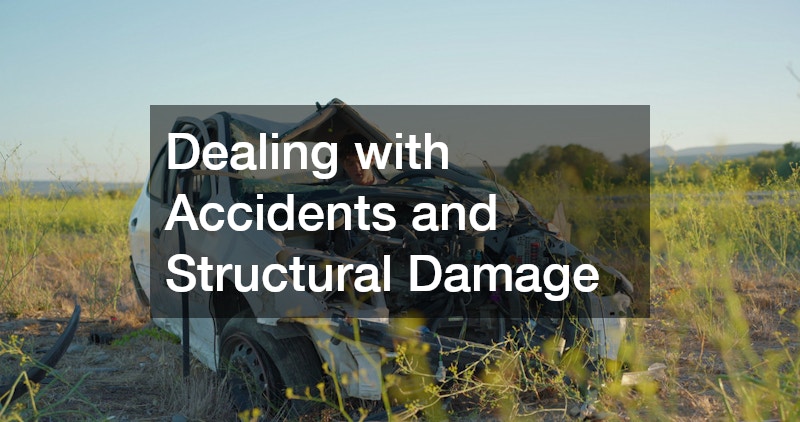
The road contains many variables that are entirely outside of a driver’s control. Debris kicked up by a passing semi-truck can instantly turn a peaceful drive into an annoying problem by leaving a large spiderweb fracture right in the driver’s line of sight. Ignoring windshield damage is a major safety risk, as the front glass provides up to thirty percent of a vehicle’s structural cabin strength during a rollover incident. Reaching out to a specialized cracked windshield auto glass company immediately is essential to restore the structural integrity of the car. Many modern glass technicians can repair small chips before they spread, saving the original factory seal, or replace the entire windshield using advanced adhesives and calibrating the safety cameras built into modern glass.
Unfortunately, some road incidents are far more severe than a simple flying pebble. Getting involved in a multi-vehicle collision is an incredibly overwhelming experience that involves physical injury, property damage, and intense emotional stress. Once emergency medical needs are addressed, managing the legal and financial aftermath becomes a complicated puzzle. Engaging a knowledgeable car accident lawyer helps protect an individual’s rights when dealing with stubborn insurance companies, medical bills, and complex liability determinations. A legal professional ensures that the driver receives fair compensation for vehicle damage and medical expenses, allowing the owner to focus entirely on physical recovery while the legal complexities are handled by an expert who understands the nuances of traffic laws and insurance policies.
The Final Transition and Strategic Resale
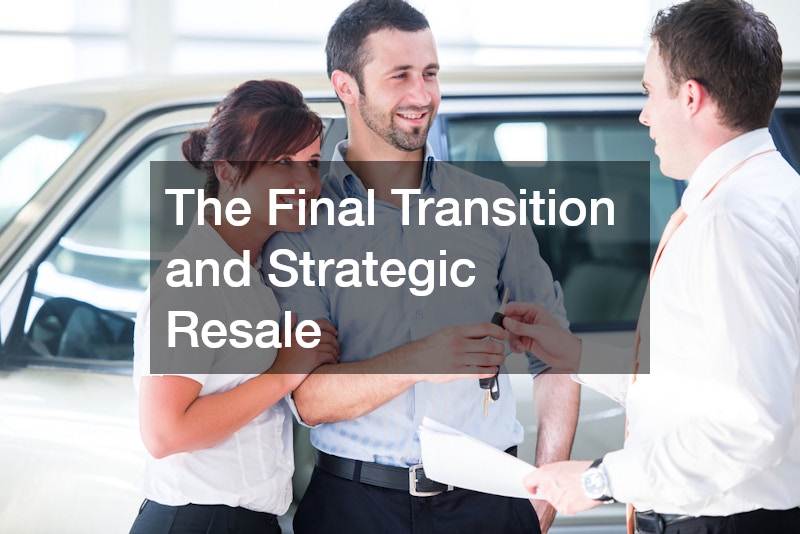
Every automotive journey eventually reaches its natural conclusion. There comes a time when the cost of maintaining an older vehicle begins to surpass its actual market value, or perhaps a driver’s lifestyle changes demand a completely different type of transportation. When a vehicle reaches the end of its useful life for a specific owner, maximizing the remaining financial value is the final priority. For vehicles that are still running well but simply no longer fit the owner’s needs, cleaning the car thoroughly and gathering all service records can yield a decent private sale or trade-in value.
However, if a vehicle has suffered severe mechanical failure, sustained extensive accident damage, or simply reached an extreme age where repairs are no longer practical, private buyers will show very little interest. In these circumstances, trying to fix the vehicle up for sale is a losing financial proposition. A much smarter alternative is seeking out a reputable company that offers cash for your car regardless of its current operational state. These organizations streamline the disposal process by evaluating the vehicle based on its remaining parts, scrap metal value, or rebuild potential. They often handle all the frustrating title transfer paperwork and provide free removal services, turning an unusable piece of property sitting in a driveway into immediate liquidity that can be used as a down payment on a newer, more reliable vehicle.
Before finalizing this transaction, a driver should complete a thorough final sweep of the interior. It is remarkably easy for valuable items, old insurance documents, electronic chargers, and personal keepsakes to slip into deep map pockets or beneath the rear seats over the years of use. Removing the license plates and contacting the insurance provider to cancel the policy on that specific vehicle are also critical administrative steps that prevent unexpected liabilities. By handling the exit strategy with the same level of care and organization that was applied during the initial purchase, an owner successfully closes out the vehicle lifecycle with minimal stress and maximum financial efficiency, clearing physical and mental space for the next chapter of their driving journey.
Mastering the Journey from Start to Finish
Managing a vehicle throughout its entire lifespan requires a balanced approach of proactive maintenance, swift emergency responses, and smart financial decisions. No single phase of ownership stands alone; the care given during the first year directly impacts the machine’s performance in its fifth year and its ultimate value in its final days. By understanding the resources available at every turn, whether upgrading for utility, maintaining mechanical health, navigating unexpected road hazards, or executing an effective resale strategy, drivers can turn vehicle ownership from a source of constant anxiety into a predictable, manageable experience.
Vehicles are complex machines that require a network of specialized professionals to keep them operating safely and efficiently. Building a reliable roster of trusted service providers before an actual emergency occurs ensures that help is always just a phone call away. Ultimately, an automobile is an investment in personal mobility and freedom. Approaching the lifecycle with clear knowledge, thorough organization, and realistic expectations ensures that every mile driven is safe, every financial decision is sound, and the eventual transition to a new vehicle is as seamless and rewarding as possible.