Car ownership offers unprecedented freedom and convenience, but maintaining a vehicle requires a clear understanding of the automotive ecosystem. Modern automobiles are complex machines made up of thousands of mechanical, electrical, and electronic components. Beyond the physical vehicle itself, drivers must navigate municipal regulations, emergency situations, and potential legal complications following accidents.
Knowing how to handle routine upkeep, unexpected breakdowns, specialized engine issues, and post-collision procedures is vital. A proactive approach to vehicle care saves money, protects resale value, and helps keep drivers safe on the road. This guide breaks down the essential automotive services every vehicle owner should understand to navigate car ownership with confidence.
Primary Maintenance: Keeping Your Vehicle Reliable and Efficient
Preventive maintenance is the cornerstone of a long-lasting and smoothly functioning vehicle. Implementing this proactive approach is renowned as the most effective strategy for extending the life of your cherished automobile, while simultaneously avoiding repairs that could be financially burdensome. Instead of waiting for an ominous warning light to illuminate the dashboard or for the unsettling sound of grinding metal to emerge beneath the hood, scheduling routine inspections and performing basic care are essential. Such diligence prevents minor issues from burgeoning into significant, costly mechanical failures that could sideline your vehicle.
Schedule Regular Multi-Point Inspections to Catch Minor Wear Early
A multi-point inspection acts as a comprehensive health check for your beloved vehicle. During these examinations, a certified technician scrutinizes the critical systems that underlie your car’s operation and safety. This includes an evaluation of fluid levels, brake pad thickness, tire tread depth, suspension components, and electrical output, among other vital areas.
-
Fluid Quality Checks: Over time, essential fluids like motor oil, coolant, transmission fluid, brake fluid, and power steering fluid gradually degrade. Fresh fluids are vital as they ensure the engine runs at optimal temperatures, prevent premature wear within critical systems, and reduce the risk of hydraulic failures that could undermine vehicle performance and safety.
-
Battery and Electrical Testing: The electrical system is pivotal for vehicle reliability. During an inspection, technicians measure the battery’s charge as well as assess alternator performance and starter draw. By identifying electrical components that may be faltering with starter motor services, you can prevent unsettling situations where the vehicle refuses to start unexpectedly, ensuring peace of mind and dependability.
-
Brake and Suspension Wear: Few things are as disconcerting as realizing your vehicle’s brakes or suspension are compromised. Regular checks that detect uneven brake rotor wear or worn suspension components like ball joints not only safeguard your ability to stop effectively but also ensure that you enjoy a predictable and smooth driving experience.
Electrical systems warrant particular attention as the vehicle matures and accumulates more miles. A telltale sign that necessitates prompt focus is a sluggish engine crank when you attempt to start the vehicle—this could be indicative of failing ignition components.
Maintain Exterior and Undercarriage Integrity Against Environmental Wear
The exterior finish and undercarriage of a vehicle face constant exposure to harsh environmental elements. Road salt, grime, dirt, tree sap, bird droppings, and industrial fallout actively attack clear coats, paint, and exposed metal components.
-
Corrosion Prevention: In colder climates, winter road salts accelerate rust on frame rails, brake lines, and exhaust systems. Regular undercarriage rinsing removes trapped corrosive agents.
-
Paint Protection: Clear coat damage allows ultraviolet rays and moisture to oxidize paint, leading to peeling and reduced vehicle value.
-
Suspension Protection: Accumulating road debris around bushings, rubber boots, and shock absorbers speeds up wear on key suspension parts.
Taking your vehicle through a professional car wash on a regular schedule removes harmful contaminants before they can bite into protective coatings. High-pressure undercarriage washes are particularly valuable for cleaning hard-to-reach areas where road debris accumulates, helping protect vital mechanical and structural components beneath the frame.
Major Mechanical Repairs and Specialist Systems
Even with diligent routine maintenance, mechanical components eventually wear out and require professional repair. Modern engines use complex emissions equipment and specialized mechanical designs that require expert diagnostic equipment and specialized knowledge.
Address Exhaust and Emissions Diagnostics as Soon as Warning Lights Appear
Modern exhaust systems do far more than quiet engine noise; they process toxic combustion gases into harmless emissions. When an engine runs too rich, burns oil, or misfires, unburnt fuel travels down the exhaust pipe, creating extreme heat and damaging downstream components.
-
Check Engine Light Diagnostics: An illuminated check engine light often points to oxygen sensors, mass air flow sensors, or exhaust system restrictions.
-
Fuel Efficiency Loss: Exhaust backpressure or sensor failures cause the engine control unit to dump extra fuel into the cylinders, tanking overall mileage.
-
Emissions Testing Failures: Vehicles with compromised exhaust systems will fail state inspection standards and cannot be legally registered in many jurisdictions.
If an exhaust restriction or internal contamination reaches a critical point, a complete catalytic converter replacement becomes necessary to restore engine performance, eliminate dangerous exhaust restrictions, and bring the vehicle back into full compliance with local environmental regulations. Ignoring early warning signs can damage surrounding sensors and cause secondary engine damage.
Seek Specialized Care for Heavy-Duty and Compression-Ignition Engines
Not all automobile engines operate the same way. Compression-ignition engines found in heavy trucks, larger SUVs, and commercial vehicles require fundamentally different maintenance protocols than standard gasoline engines.
-
Fuel-Water Separation: Diesel fuel attracts moisture, requiring specialized filters and water separators to protect high-pressure fuel injectors from corrosion.
-
High-Pressure Injection Systems: Common-rail diesel systems operate at immense pressures, demanding absolute cleanliness and precise tolerances during service.
-
Glow Plug Maintenance: Unlike spark plugs, glow plugs preheat combustion chambers for cold starts and must be inspected periodically to avoid hard-start issues.
Because these engines run on high compression ratios and complex turbocharging systems, standard repair shops may lack the proper tools or software. Working with a dedicated diesel mechanic guarantees that your vehicle receives expert care tailored to its specific mechanical design, ensuring optimal torque, fuel economy, and long-term durability.
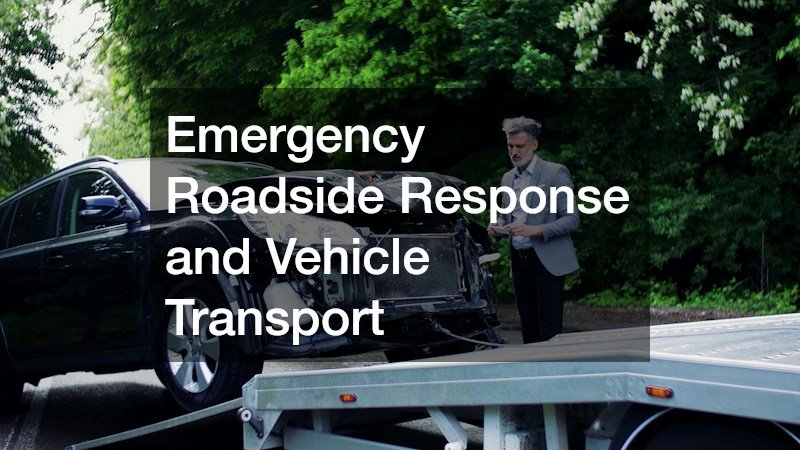
Emergency Roadside Response and Vehicle Transport
Roadside emergencies can happen to even the most meticulously maintained vehicles. A sudden flat tire, a dead battery, or a high-speed engine failure requires immediate, calm action to secure your safety and arrange transport.
Set Up Immediate Safety Protocols When Stranded on Highways
Experiencing a breakdown on a busy highway or shoulder is dangerous. Knowing how to react in the first five minutes minimizes risk while you wait for professional help.
-
Safe Vehicle Positioning: Pull as far onto the right shoulder or emergency lane as possible, turning the front wheels away from traffic.
-
High-Visibility Indicators: Turn on hazard lights immediately. If safe to do so, place reflective triangles or safety flares behind your vehicle to alert oncoming drivers.
-
Communication: Stay inside the vehicle with your seatbelt fastened if traffic is moving fast. Call emergency services or roadside dispatch with your exact location, noting highway markers or mileposts.
When calling for assistance, requesting professional emergency towing services ensures that a fully equipped recovery vehicle is dispatched immediately. Professional operators carry safety equipment, traffic control devices, and proper rigging tools to safely extract your vehicle from dangerous roadside environments without causing additional damage.
Select the Right Transportation Method for Your Specific Vehicle Type
Not all transport methods suit every automobile. Using the wrong equipment can damage a vehicle’s drivetrain, transmission, or body panels.
-
Flatbed Transport: Preferred for all-wheel-drive vehicles, lowered cars, luxury automobiles, and vehicles with major structural or wheel damage. All four wheels rest securely on a flat platform.
-
Wheel-Lift Towing: Suitable for two-wheel-drive vehicles being moved short distances. Lift chains or cradles lift two wheels off the ground while the other two roll.
-
Drivetrain Considerations: Towing an all-wheel-drive car with two wheels on the ground can burn out transfer cases and center differentials in minutes.
When scheduling recovery, choosing a fully licensed and insured towing company gives you confidence that the operator understands proper securement protocols and carries adequate coverage for your asset during transit.
Navigating Municipal Regulations and Specialized Towing Needs
Urban driving comes with its own unique set of challenges, including tight spaces, strict parking codes, and dense traffic. Understanding how municipalities manage traffic flow and parking helps keep you from being caught off guard.
Understand Local Parking Laws to Prevent Unwanted Impoundment
City authorities use strict guidelines to keep streets safe, clear for emergency responders, and open for scheduled maintenance like street sweeping or construction.
-
Time-Restricted Zones: Parking past posted limits in commercial districts often carries strict fines and towing remedies.
-
Fire Hydrants and Access Lanes: Parking within designated distances of hydrants, crosswalks, or driveway cutouts creates immediate safety hazards and triggers prompt vehicle removal.
-
Temporary Construction Clearances: Pay close attention to temporary signage posted for roadwork, utility repairs, or movie sets.
Vehicles parked in violation of municipal codes are routinely impounded by authorized parking enforcement services operating under city contracts. If your vehicle is moved, contacting local law enforcement or checking municipal impound databases will help you locate the vehicle and learn the exact documentation, fees, and timelines required to reclaim it.
Leverage Nearby Response Teams for Faster Incident Recovery
When stranded on a crowded urban street or stuck in a tight parking garage, long wait times for service increase stress and safety risks.
-
Rapid Dispatch Times: Local dispatchers have intimate knowledge of city traffic patterns, construction detours, and peak congestion hours.
-
Specialized Equipment: Operators working tight city centers often use low-clearance equipment designed specifically to navigate multi-level parking structures and narrow alleys.
-
Cost Efficiency: Shorter travel distances from the service depot to your location mean lower mileage fees and lower overall recovery costs.
Relying on operators running local tow trucks ensures faster arrival times and smoother communication, helping you clear busy roadways quickly and reducing the hassle of a breakdown.
Alternative Transport and Legal Support After an Incident
The aftermath of a major breakdown or crash involves more than mechanical repairs. Managing your daily commute while your car is in the shop and protecting your rights following an accident are critical steps in the recovery process.
Arrange Reliable Transportation While Your Primary Vehicle Is in the Shop
When major repairs take days or weeks, losing access to your primary vehicle can disrupt your work schedule, family responsibilities, and personal obligations.
-
Rental Vehicle Policies: Check your personal auto insurance policy for rental coverage limits to offset the cost of temporary transportation.
-
Carsharing Services: Rideshare platforms offer flexible, short-term solutions for quick trips across town.
-
Chauffeur and Executive Travel: For formal engagements, airport transfers, or critical business meetings, dedicated transport options offer guaranteed punctuality and comfort.
Reserving a professional private car service provides reliable, stress-free transportation for important business commitments or special events, allowing you to maintain your schedule while mechanics handle extensive repairs.
Protect Your Financial Rights and Insurance Claims Following a Collision
Traffic collisions create overwhelming stress. Taking methodical, organized steps at the accident scene and in the days that follow helps protect both your health and your financial well-being.
-
Document Everything: Photograph all vehicles, visible injuries, road conditions, traffic control devices, and weather factors at the scene.
-
Gather Information: Exchange insurance details, names, phone numbers, and license plate information with all involved drivers and independent witnesses.
-
Seek Medical Evaluation: Some injuries, such as whiplash or internal bruising, may not show symptoms right away. A complete medical record establishes a clear link between the crash and your injuries.
-
Avoid Quick Insurance Settlements: Insurance adjusters often try to settle claims quickly, before the full cost of medical care and vehicle repairs is known.
If you sustain injuries or face complex fault disputes, consulting a knowledgeable local car accident attorney helps protect your legal rights. A legal professional can deal directly with insurance adjusters, evaluate settlement offers, gather critical evidence, and work to get you fair compensation for medical bills, property loss, and missed work.
Using This Guide for Essential Auto Services
Car ownership works best when you take a proactive, informed approach to vehicle care. Understanding how essential automotive services fit together allows you to handle everything from standard maintenance to roadside emergencies with minimal stress. Building a reliable network of certified mechanics, reputable towing professionals, alternative transportation providers, and legal experts before problems arise ensures you are always prepared.
By sticking to scheduled maintenance, acting quickly when warning lights appear, practicing roadside safety, and knowing your legal rights after an accident, you protect your safety, your finances, and your vehicle’s long-term value. Taking control of your automotive care transforms vehicle ownership from an unpredictable liability into a smooth, dependable part of daily life.