
For any business that relies on fleet vehicles, heavy machinery, or backup generators, keeping equipment fueled and operational is a top priority. Traditionally, this required driving vehicles to local gas stations, storing fuel in hazardous tanks on-site, or sending employees out with jerrycans to keep jobs moving. However, as logistics and operational efficiency take center stage across industries, more companies are turning to outsourced fuel solutions.
Modern professional fuel delivery services provide a reliable, efficient alternative to traditional refueling methods. By delivering high-quality diesel, gasoline, or alternative fuels directly to equipment, fleets, and storage facilities, these services help organizations save time, cut costs, and enhance safety.
1. Drastic Reduction in Downtime
Time lost at the pump directly impacts project timelines and overall profitability. When drivers or equipment operators have to leave a job site or interrupt their routes to find a filling station, productivity stalls.
With on-site fuel delivery, refueling happens when equipment is idle—often overnight or during off-peak shifts. Vehicles start the workday with full tanks, allowing employees to go straight to work without detour or delay.
-
Mobile Refueling: Fuel trucks pump fuel directly into individual equipment tanks while parked at job sites or yards.
-
Predictable Scheduling: Deliveries can be scheduled on a recurring basis so machines never run dry mid-task.
-
Maximized Active Hours: Eliminates non-billable labor spent driving to and waiting at commercial gas stations.
2. Cost Efficiency and Fleet Optimization
Managing fuel expenses requires looking far beyond the simple price per gallon displayed on a gas station marquee. When drivers rely on untracked retail purchases, organizations invite hidden costs like detour mileage, unnecessary engine idling, unauthorized stops, and potential expense fraud. Over time, these minor inefficiencies bleed significant revenue from fleet operations.
Partnering with a professional fuel supplier combats these hidden leaks by granting access to bulk purchasing power and predictable wholesale pricing structures. Beyond the raw cost of the fuel itself, direct-to-truck refueling directly lowers vehicle maintenance expenses. Eliminating repetitive, non-essential trips to public pumps drastically reduces total miles logged across a fleet. This drop in non-revenue mileage minimizes tire wear, extends oil change intervals, and decreases general mechanical strain on high-value assets.
Keeping commercial vehicles off congested consumer roads solely for refueling significantly lowers a company’s exposure to traffic accidents and the costly liability claims that accompany them. Modern fuel logistics streamline both the purchase price of the fuel and the physical impact on the vehicles using it.
3. Improved Operational Safety and Regulatory Compliance
Storing large quantities of flammable liquids on a job site carries substantial risk. On-site storage drums and temporary tanks require careful handling, regular inspections, secondary containment systems, and compliance with stringent environmental and workplace safety regulations.
Professional delivery companies utilize trained technicians equipped with specialized hazardous-material transport vehicles.
-
Reduced On-Site Liability: Minimizes the need for massive fuel storage tanks on working job sites.
-
Environmental Protection: Specialized delivery equipment features shut-off valves, containment spill kits, and vapor recovery systems to prevent environmental contamination.
-
Safety Trained Drivers: Delivery drivers hold specialized licenses and training, ensuring fuel is handled strictly under modern safety protocols.
4. Unmatched Convenience and Disaster Readiness
Unexpected weather events, natural disasters, and power grid failures can disrupt local supply chains overnight. When severe storms strike or regional outages occur, commercial filling stations are often paralyzed—either running out of fuel due to panic buying or lacking the electrical power needed to operate their pumps, leaving critical fleet vehicles and machinery stranded.
Dedicated bulk fuel delivery providers mitigate these risks through contracted emergency supply agreements and priority response protocols. Rather than relying on public infrastructure during a crisis, businesses and essential institutions can secure guaranteed fuel reserves that are dispatched automatically when critical thresholds are reached or alerts are issued.
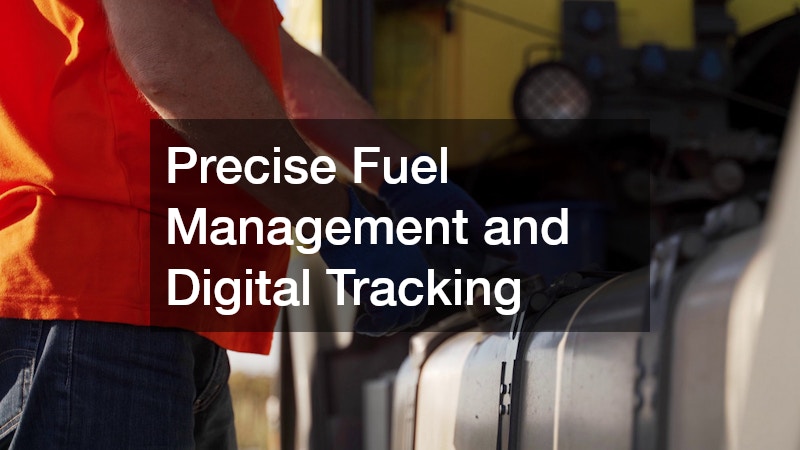
5. Precise Fuel Management and Digital Tracking
Modern fuel management relies heavily on actionable data to control operational overhead. When workers manually expense gas station receipts, monitoring usage across an entire fleet becomes a messy administrative challenge. Paper receipts get lost, manual data entry invites human error, and finance teams are forced to play catch-up weeks after the money has already been spent.
Leading delivery services solve this by integrating advanced telemetry, digital meters, and automated tracking tools directly into their fueling process. Instead of guessing where the fuel went, businesses receive detailed reporting on exact delivery volumes down to the fraction of a gallon, time-stamped delivery logs, and asset-level consumption tracking mapped directly to individual vehicle identification numbers (VINs) or equipment IDs.
Outsourcing fuel management transforms refueling from a tedious daily chore into a seamless, automated process. By minimizing costly downtime, lowering overall fuel expenses, simplifying safety compliance, and providing reliable data reporting, professional supply services empower companies to focus on what they do best: growing their business. Whether running a logistics fleet, managing a busy construction site, or ensuring disaster backup systems are prepared, professional fuel logistics provide a vital foundation for modern operational efficiency.