This article explores three essential questions regarding vehicle wraps, providing insights into their benefits, durability, and installation processes. Vehicle wraps have become an increasingly popular marketing tool, transforming vehicles into mobile billboards that catch the eye. Whether you’re a business owner looking to advertise your brand or an individual interested in customizing your vehicle, wraps offer a versatile and attractive solution.
In this article, we’ll delve into the advantages of vehicle wraps, how long they typically last, and what the installation process entails. By understanding these aspects, you’ll be better equipped to make an informed decision on whether vehicle wraps are suitable for your needs.
What are the benefits of vehicle wraps?
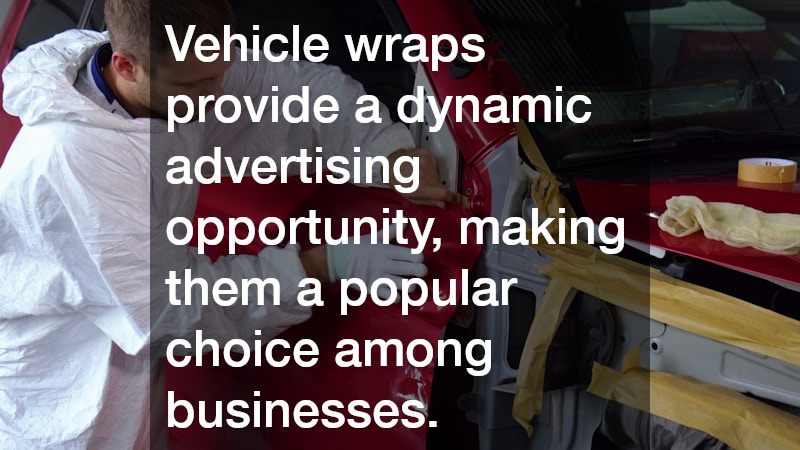
Vehicle wraps provide a dynamic advertising opportunity, making them a popular choice among businesses. One of the primary benefits is their cost-effectiveness compared to traditional advertising methods such as billboards or television ads. A vehicle wrap can reach a broad audience with minimal recurring costs since the investment is primarily one-time. Additionally, vehicle wraps protect the underlying paint from ultraviolet rays and minor abrasions, preserving the vehicle’s resale value. The durability and customization options offer businesses a unique way to make a lasting impression on the road.
Personal vehicles can also benefit significantly from wraps, as they offer a method to customize appearance without the permanence of paint. Owners can select from a wide array of finishes, including matte, gloss, or even textured designs, to express their unique personalities. A lesser-known advantage is that wraps are removable, allowing for design changes as trends shift or tastes evolve. As such, vehicle wraps enable owners to experiment boldly with their vehicle’s look without long-term commitment. For these reasons, many car enthusiasts find wraps a flexible and appealing option for customization.
How long do vehicle wraps last?
The lifespan of a vehicle wrap can vary depending on several factors, including the quality of the materials used and the installation technique. Typically, a high-quality vehicle wrap can last between three to seven years. Manufacturers often provide warranties that reflect this durability, assuring customers of their investment’s longevity. Environmental factors such as exposure to harsh weather conditions or prolonged UV rays can impact a wrap’s durability. Regular maintenance, such as cleaning and protecting the wrap from damaging elements, is crucial to extending its life.
Investing in professional installation services is key to ensuring the longevity of a vehicle wrap. Expert installers understand the intricacies of wrap application, minimizing peel and bubble formation that could lead to premature failure. Specialists also employ advanced tools and techniques to ensure the wrap conforms seamlessly to the vehicle’s curves and contours. Furthermore, selecting a reputable wrap provider ensures high-grade materials, which resist fading and cracking better over time. A well-maintained, professionally installed wrap stands up to wear and tear while maintaining its vibrant appearance.
Ultimately, the expected duration of a vehicle wrap hinges not only on material quality and installation but also on care practices. Simple maintenance routines, such as hand washing with gentle detergents and avoiding abrasive tools, can significantly extend a wrap’s appearance and preserve its protective benefits. Owners should be mindful of parking in shaded areas or using covers to protect their wraps from prolonged sun exposure. Protective waxes designed specifically for wraps are available, offering additional UV protection and enhancing the life of the graphics. Proactive care yields a vehicle wrap that looks fantastic and performs well over its expected lifespan.
What is the process of installing a vehicle wrap?
The installation of a vehicle wrap is a meticulous and detailed process that requires precision and expertise. Preparation begins with a thorough cleaning of the vehicle’s surface to remove dirt, grease, and wax residues. Any existing imperfections, such as scratches or dents, should be addressed as they can impact the wrap’s finish. Once the surface is prepped, the design is printed onto vinyl material, cut precisely to fit the vehicle’s panels. Highly skilled technicians apply the wrap, carefully positioning and aligning each section to ensure a seamless and visually appealing result.
During installation, heat guns and specialized squeegees are used to smooth out the wrap and eliminate air bubbles or creases. The wrap is stretched and adjusted as needed to conform to curves and contours. Attention to detail is paramount, as even minor misalignments can become glaring over time. Installers may spend several hours or even days on complex designs to achieve perfection. It’s this level of detail that transforms the vehicle into a stunning canvas that captures attention on the road.
Understanding the answers to these questions can help you make an informed decision about whether vehicle wraps are the right choice for you. As a versatile advertising medium and customization tool, vehicle wraps offer distinct advantages to both businesses and individual vehicle owners. Their durability, cost-effectiveness, and eco-friendly attributes provide compelling reasons to consider this option. Whether you’re interested in broadening your brand visibility or personalizing your ride, vehicle wraps present a dynamic and flexible solution. With this insight, you are better prepared to embrace the possibilities that vehicle wraps can offer.