
Every mile you drive exposes your car to small threats that add up over time: gravel chips, parking lot dings, road salt, and sun exposure all chip away at your vehicle’s finish and resale value. Most drivers only think about body damage after a major incident, but the everyday wear is often what quietly costs the most in the long run. Understanding how to protect your car’s exterior, and knowing when professional repair is worth it, can save you thousands of dollars down the road. This guide walks through the practical steps every owner should take to keep their car looking sharp and holding its value.
Understanding How Road Debris and Weather Wear Down Paint
Your car’s paint is under constant assault from things you barely notice while driving. Small rocks kicked up on the highway, tree sap, bird droppings, and UV rays all break down the clear coat that protects the paint beneath it. Over months and years, this creates a dull, faded appearance and can even lead to rust if the damage exposes bare metal.
Weather adds another layer of risk, especially in regions with harsh winters or intense summer sun. Road salt used for de-icing is particularly corrosive and can eat through unprotected metal surfaces surprisingly fast. Regular washing and inspection can catch these issues early before they become expensive to fix.
- Rinse off road salt and grime within a few days of exposure
- Park in shade or a garage when possible to limit UV damage
- Check for small chips after long highway drives
- Address bird droppings and sap quickly since they are acidic
Choosing Ceramic Coating for Long Term Paint Protection
One of the most effective ways to shield your paint from everyday damage is applying a protective coating designed to bond with the factory finish. Car ceramic coating creates a hard, hydrophobic layer that repels water, resists minor chemical stains, and makes washing far easier. Unlike wax, which breaks down within weeks, a quality ceramic application can last one to several years depending on the product and application quality.
This kind of protection does not make your car indestructible, but it significantly reduces the frequency of paint correction and detailing needed over time. Many owners find that the upfront cost pays for itself by preserving resale value and reducing the need for touch-up paint work. It is worth researching reputable installers and asking about warranty coverage before committing to a specific product.
Recognizing Early Signs of Rust and Corrosion
Rust rarely appears overnight; it typically starts small in areas where paint has been chipped or scratched, such as wheel wells, door edges, and the undercarriage. Catching these spots early with a simple touch-up can prevent a small blemish from turning into a structural problem. Ignoring surface rust allows moisture to keep working its way deeper into the metal, weakening panels over time.
Owners who regularly inspect their vehicle underneath and around the wheel arches tend to catch corrosion issues months before they become visible from the driver’s seat. A flashlight and five minutes once a month is often enough to spot trouble early. If you do find rust, addressing it quickly through sanding, priming, and repainting is far cheaper than replacing an entire panel later.
- Inspect wheel wells and door seams monthly
- Look underneath the car for bubbling paint or flaking metal
- Treat small rust spots immediately with touch-up paint
- Keep drainage holes in doors and trunk clear of debris
Handling the Aftermath of a Minor Collision
Even a low-speed fender bender in a parking lot can leave lasting damage if it is not addressed properly. A car accident, no matter how minor it seems, can crack plastic bumpers, misalign panels, or hide damage to sensors and wiring behind the bumper cover. Getting a proper inspection after any impact, even one that looks cosmetic, helps ensure nothing was missed that could cause bigger problems later.
Documenting the scene, exchanging insurance information, and taking photos immediately after an incident makes the claims process much smoother. Many drivers underestimate how quickly minor damage can affect a car’s resale value if left unrepaired. Getting an estimate soon after the incident also gives you a clearer picture of whether it makes sense to file a claim or pay out of pocket.
Knowing When to Trust a Repair Professional Versus DIY Fixes
Small scratches and minor scuffs can often be handled with touch-up kits and careful polishing at home, but deeper damage usually requires professional tools and expertise. A reputable auto body shop has access to paint-matching technology, frame straightening equipment, and trained technicians who can restore a vehicle to factory specifications. Trying to tackle major auto body work yourself can sometimes make the damage worse or void manufacturer warranties.
Before deciding between a DIY fix and a professional repair, consider the scope of the damage. Minor scratches, small dents, or chipped paint that hasn’t reached bare metal are often reasonable candidates for at-home touch-up kits. But anything involving bent frames, misaligned panels, cracked bumpers, or exposed metal at risk of rust should go to a professional, since mistakes here can compound into costlier problems later. It helps to get more than one estimate before committing to a repair, especially for larger jobs involving panel replacement or structural work. Aim for at least three quotes, since prices for the same repair can vary by hundreds of dollars between shops depending on labor rates and parts sourcing. Be wary of an estimate that’s dramatically lower than the others; it may signal the use of aftermarket parts, shortcuts, or a shop that isn’t factoring in hidden damage. Ask about the shop’s experience with your specific make and model, since repair techniques can vary significantly between vehicle types. Aluminum-bodied vehicles, for instance, require specialized welding equipment and certification that not every shop has on hand. Similarly, cars with advanced driver-assistance systems often need sensor recalibration after even minor bodywork, so it’s worth confirming the shop is equipped to handle that step. A shop that offers a warranty on its work is generally a good sign of quality and accountability. Look for warranties that cover both parts and labor, ideally for a year or more, and get the terms in writing before authorizing the repair. If a shop is reluctant to provide documentation or hesitant to answer questions about their process, that’s often a red flag worth taking seriously.
- Use touch-up paint for chips smaller than a fingernail; clean and prime the spot first for a lasting fix
- Handle shallow scratches yourself if only the clear coat is affected, not the primer or metal underneath
- Seek professional help for dents deeper than a quarter inch or any dent with creased, cracked paint
- Get a second opinion if a shop quotes repairs exceeding 60% of your car’s value, since insurers may total it instead
- Confirm the shop offers a written warranty on repairs, ideally covering both parts and labor for at least a year
- Ask whether they use OEM or aftermarket replacement parts, and request OEM for visible panels to preserve resale value
- Verify the shop is certified by your car’s manufacturer or an organization like I-CAR for collision repair quality
Repairing European Vehicles With Specialized Parts and Techniques
Luxury and import vehicles often require more specialized attention than mainstream domestic models, particularly when it comes to matching factory paint codes and sourcing original components. European car repair frequently involves proprietary diagnostic systems and unique body panel designs that not every general shop is equipped to handle. Choosing a shop with specific experience in these brands can prevent costly mistakes and ensure the repair holds up over time.
Parts sourcing is another consideration, since many European manufacturers use different sheet metal gauges and paint formulations than domestic brands. A shop unfamiliar with these nuances might apply a repair that looks fine initially but fails to match durability standards. Asking about manufacturer certifications or brand-specific training can help you find a shop genuinely qualified for the job.
Assessing Structural Damage After a Serious Crash
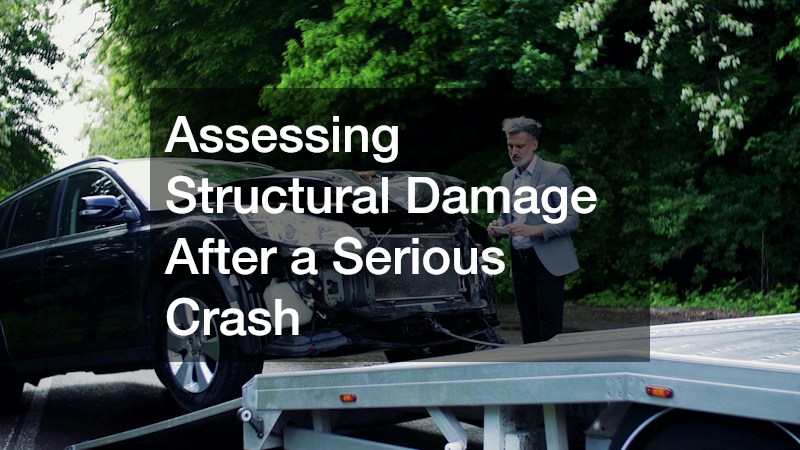
Not all damage is visible from the outside, which is why a thorough inspection matters after any significant impact. An auto collision severe enough to deploy airbags or crumple a fender can also bend the frame in ways that are not obvious without diagnostic measurement tools. Left unaddressed, frame misalignment can cause uneven tire wear, poor handling, and further stress on suspension components.
A qualified technician will use computerized measuring systems to compare your vehicle’s frame dimensions against factory specifications. This process identifies even minor deviations that could affect safety in a future incident. Getting this kind of assessment is especially important before deciding whether a vehicle is worth repairing or should be considered a total loss.
Protecting Emissions Components From Theft and Damage
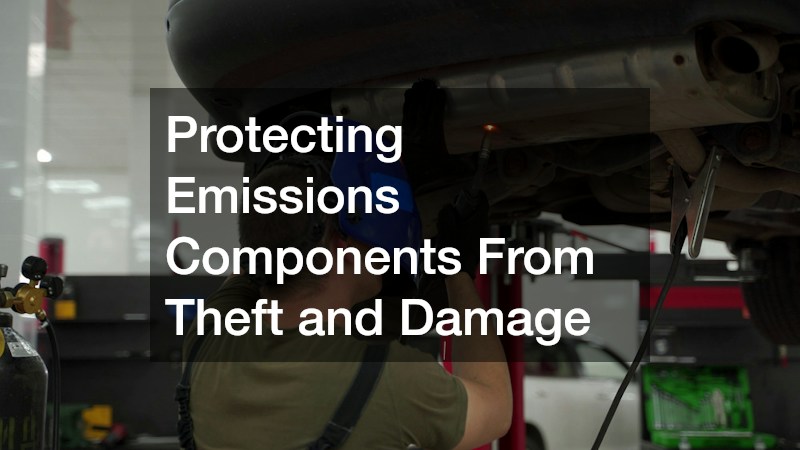
Body damage is not the only threat to your vehicle’s value; theft of key components can be just as costly. A catalytic converter is a common target for thieves because it contains platinum, palladium, and rhodium, and replacing one can run into the thousands of dollars depending on the vehicle. Trucks and SUVs with higher ground clearance are especially vulnerable since thieves can slide underneath quickly without jacking the vehicle up, and hybrid models are also frequently targeted because their converters contain higher concentrations of precious metals. The theft itself often takes less than a minute with a battery-powered saw, so prevention matters more than reaction time. Parking in well-lit, high-traffic areas or inside a locked garage overnight significantly reduces the odds of becoming a target. Installing a protective shield or cage over the converter adds a physical barrier that forces thieves to spend more time and effort, which often causes them to move on to an easier target. Etching your vehicle identification number onto the part is another simple deterrent, since it makes the stolen converter harder to sell to scrap yards and easier for police to trace back to your car. Some local police departments and auto shops even offer free etching events, so it’s worth checking before paying for the service elsewhere. Combining a few of these measures, rather than relying on just one, offers the strongest protection and can also help lower comprehensive insurance premiums in areas with high theft rates.
Catalytic converter theft has surged in recent years, with thieves targeting this component because it contains valuable metals like platinum, palladium, and rhodium. Trucks and SUVs with higher ground clearance are especially vulnerable since thieves can slide underneath quickly, often removing the converter in under two minutes. Installing a catalytic converter shield, having your VIN etched onto the unit, or parking in well-lit, monitored areas can significantly reduce your risk. Beyond theft, road debris and corrosion can also damage this component over time, leading to expensive repairs and failed emissions tests. Speed bumps, potholes, and low-clearance driveways can crack the converter’s housing or dislodge the internal honeycomb structure, while road salt and moisture accelerate rust on the mounting brackets and connecting pipes. Regular maintenance checks can catch early warning signs like unusual rattling, a sulfur or rotten-egg smell from the exhaust, reduced fuel efficiency, or a illuminated check engine light. A rattling noise often signals a loose heat shield or damaged internal components, while sluggish acceleration may point to a clogged converter restricting exhaust flow. Addressing these issues promptly, ideally as soon as symptoms appear, helps avoid more extensive damage to the exhaust system down the line. Waiting too long can force costly replacement of not just the converter but connected sensors, pipes, and even the engine control module if excess back pressure causes further strain.
Comparing Considerations for Larger Vehicles and Fleet Owners
Owners of larger vehicles face unique challenges when it comes to protecting their investment from everyday wear and tear. Those researching box truck sales for a growing business should factor in long-term maintenance costs, including paint protection and body repair, since these vehicles cover far more miles annually than a typical passenger car — often 25,000 to 50,000 miles a year depending on route density and delivery schedules. Higher mileage means more exposure to gravel, road salt, and debris kicked up on highways, which accelerates surface wear on the cargo box and cab alike. Fleet vehicles are especially prone to scrapes and dents given how frequently they are loaded, unloaded, and maneuvered in tight spaces. Loading docks, narrow alleyways, and repeated backing maneuvers all raise the odds of curb rash, corner dings, and scraped panels. Businesses that shop box truck sales with resale value in mind often spend more upfront on rust-resistant coatings or reinforced bumper guards, since these features pay for themselves over a multi-year duty cycle. Fleet owners also need to weigh the cost of protection across an entire roster of vehicles rather than a single car. Bulk discounts on paint protection film, wraps, or undercoating can make preventive care far more affordable per unit, while a consistent maintenance schedule across the fleet helps catch minor damage before it becomes a costly repair. Tracking these costs per vehicle, rather than as one lump sum, makes it easier to spot which routes or drivers are contributing to excess wear.
Businesses involved in heavy equipment hauling face similar concerns, since constant exposure to gravel roads, job sites, and variable weather accelerates wear on both the truck body and undercarriage. Trailers and flatbeds used to transport excavators, skid steers, and other heavy machinery are especially prone to chipped paint, scraped fenders, and rock chips along the lower panels, where loose gravel kicks up during transport. Investing in protective coatings, such as rubberized undercoating or spray-on bedliners for high-contact areas, can extend the life of these vehicles significantly. Regular inspections, ideally every 5,000 to 7,000 miles or after particularly rough hauls, help catch rust spots and loose fasteners before they become expensive structural issues. For companies relying on their fleet daily, downtime for repairs can be more costly than the repair itself. A single truck out of service for a week can mean missed delivery windows, rescheduled job sites, and strained client relationships, all of which add up to far more than the cost of routine maintenance. Fleet managers should also weigh the value of tracking repair histories per vehicle, since patterns in recurring damage often reveal specific routes or loading practices that need adjustment. Making preventive care part of a standard maintenance schedule, rather than an afterthought, is ultimately a smart business decision that protects both equipment and profitability.
Exploring the World of Restored and Custom Vehicles
For enthusiasts, protecting a vehicle’s body goes beyond daily wear and touches on preserving long-term investment value in classic or custom builds. Fans who follow battle motors and similar builder communities often see firsthand how much attention goes into protecting a heavily modified vehicle’s finish after significant time and money has been invested in the build. These builds highlight how proper protection, from coatings to careful storage, can preserve a vehicle’s appearance for years despite regular use or show appearances.
Whether your vehicle is a daily driver or a weekend project, the same fundamental principles apply. Consistent cleaning, prompt repair of small damage, and protective treatments all contribute to a vehicle that looks better and retains more value over its lifetime. Enthusiast culture often demonstrates just how far proper care can extend a vehicle’s condition, even under demanding use.
Protecting your car’s body from everyday damage is less about any single fix and more about building consistent habits, from regular washing to prompt attention when something goes wrong. Whether you are dealing with a minor scratch, considering a protective coating, or facing the aftermath of a collision, taking action early almost always saves money and stress later. Take some time this week to inspect your vehicle for early warning signs and research reputable local professionals you can trust before you actually need them. Your future self, and your car’s resale value, will thank you.