

Driving a new car off the lot feels like the finish line, but for most owners it is actually the starting gate of a long list of expenses nobody mentioned at signing. Between routine maintenance, unexpected damage, and accessories you did not know you needed, the true cost of ownership can quietly outpace your monthly payment. Understanding these hidden costs before they surprise you can save thousands of dollars and a lot of stress over the life of the vehicle.
This guide breaks down the ownership expenses that catch new car buyers off guard, so you can budget with confidence instead of scrambling later.
Routine Maintenance Beyond the Free Service Period
Most new cars come with a complimentary maintenance period covering the first oil change or two, but that window closes faster than buyers expect—typically within 12,000 to 24,000 miles, depending on the manufacturer. Some brands stretch coverage to two years or three visits, while others cut it off after a single service appointment. Once that period ends, owners are on their own to find a reliable auto repair shop and start paying full price for services that were previously free or heavily discounted.
The costs that follow are easy to underestimate. Oil changes alone can run $50 to $120 depending on whether the vehicle requires synthetic oil, and most cars need one every 5,000 to 10,000 miles. Add in cabin and engine air filters, brake pad inspections, tire rotations, and coolant or transmission fluid flushes, and a single year of upkeep can easily total several hundred dollars. Drivers who log more miles than average feel this shift hardest, since maintenance intervals arrive sooner and more often.
Multi-point inspections, while sometimes free at dealerships, frequently uncover “recommended” services that weren’t part of the original estimate, like brake fluid replacement or fuel system cleaning. Choosing a trustworthy auto repair shop over a dealership can help control these costs, but only if buyers budget for the expense before the free service window closes rather than after.
Most automakers cover the first one or two scheduled services free of charge, but that courtesy typically ends by 12,000 to 24,000 miles. After that, owners are on their own for oil changes, tire rotations, brake inspections, and fluid replacements that can run $150 to $400 per visit depending on the vehicle and dealership rates. Many buyers also underestimate how manufacturer-recommended service intervals tighten as mileage climbs. A car might only need basic checkups every 10,000 miles early on, but by 60,000 or 90,000 miles, owners often face bigger-ticket items like timing belt replacement, spark plugs, transmission fluid flushes, and coolant changes, some of which cost $500 to $1,200 in a single visit.
Skipping a scheduled visit to save money now often leads to bigger repair bills later, since small issues left unchecked tend to compound. A delayed oil change can accelerate engine wear, while ignoring a minor brake pad warning can turn into costly rotor damage. Worse, missed maintenance records can also void warranty claims or reduce resale value, since buyers and dealers alike scrutinize service history before making an offer.
- Budget for two to four maintenance visits per year depending on mileage, typically $100-$300 per visit for oil changes, tire rotations, and multi-point inspections
- Ask your dealership exactly what’s covered after the initial free period, since many “free maintenance” plans only include the first oil change or first 12 months
- Factor in bigger-ticket services that hit around 30,000, 60,000, and 90,000 miles, like brake fluid flushes, spark plugs, and timing belts, which can run $300-$900 each
- Keep service records organized and digitized in case of warranty disputes or resale value questions down the road
- Compare pricing between dealership service centers and independent shops, since dealers often charge 20-30% more but may be required for warranty-covered work
- Check whether skipping a dealership visit voids your warranty, since most manufacturers only require using a certified shop and genuine parts, not necessarily the dealer itself
Diesel Engine Maintenance and Repair Costs
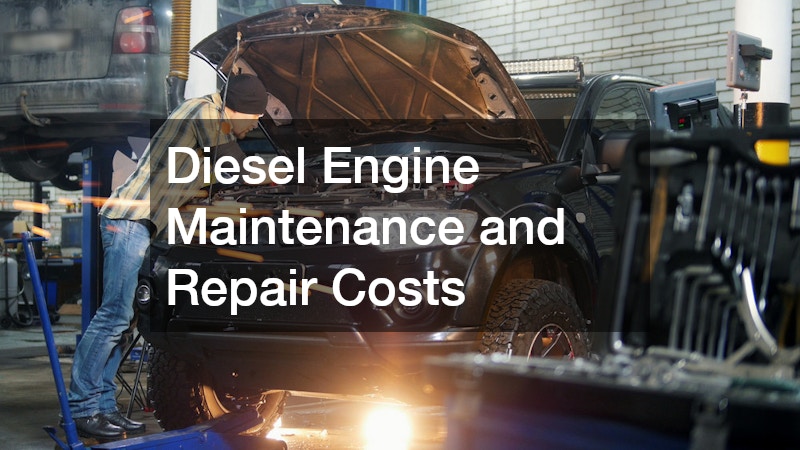
Buyers who choose a diesel model for its towing power or fuel efficiency often discover that upkeep costs more than they anticipated. Diesel repairs typically involve specialized parts, fuel system cleaning, and emissions component servicing that gasoline engines simply do not require. Because fewer technicians specialize in diesel systems, labor rates can run higher, and finding a shop equipped to handle these repairs may take extra research.
Diesel particulate filters and injectors are common failure points that can cost a significant amount to replace if neglected. Regular fuel additive use and adherence to service intervals can help owners avoid the most expensive of these repairs down the road.
- Diesel oil changes often cost more due to larger oil capacity and filter design
- Emissions system repairs can be costly if the DPF becomes clogged
- Ask about diesel-specific service history before buying a used diesel vehicle
Collision Damage and Bodywork After an Accident
Even careful drivers eventually deal with a fender bender, a shopping cart ding, or a hailstorm that leaves the exterior looking worse for wear. Collision repair costs on newer vehicles tend to run higher than on older models because of advanced sensors, cameras, and lightweight materials built into the frame and bumpers. A simple bumper repair on a vehicle with parking sensors or adaptive cruise control can involve recalibration costs that many buyers never anticipated.
Beyond collisions, everyday wear like scratches, dents, and rust spots eventually require attention from an auto body repair specialist to preserve resale value. Ignoring cosmetic damage might seem harmless, but it can accelerate corrosion and lower what buyers are willing to pay when it is time to sell.
- Get multiple estimates after any accident, even minor ones
- Ask whether your insurer requires OEM or aftermarket parts for repairs
- Address small dents and scratches before they lead to rust damage
Emergency Roadside Assistance and Vehicle Recovery
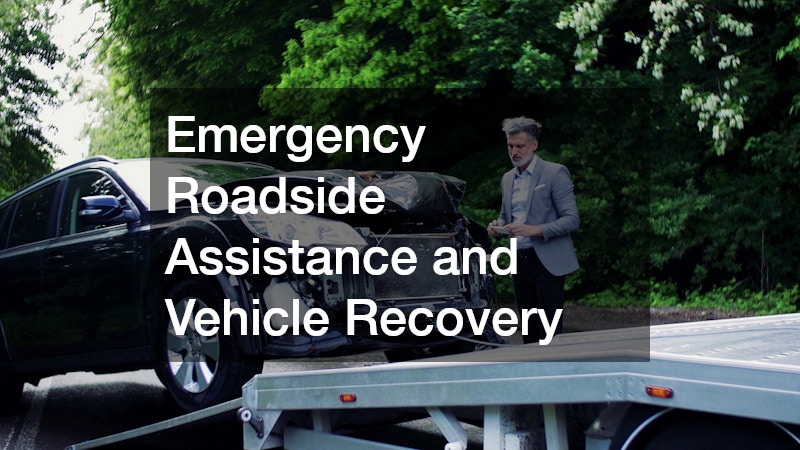
New car warranties sometimes include limited roadside assistance, but that coverage usually expires within a few years or a set mileage threshold. After that, owners are on their own if they experience a breakdown, flat tire, or dead battery on the side of the road. Paying out of pocket for a towing service when you least expect it can be a jarring reminder of how quickly ownership costs can spike.
Rates for emergency vehicle recovery vary significantly depending on distance, time of day, and whether specialized equipment is needed for larger vehicles. Building a small emergency fund specifically for roadside incidents is a smart way to avoid financial stress when these situations arise unexpectedly.
- Check if your auto insurance policy includes roadside assistance add-ons
- Compare membership programs versus pay-per-use towing options
- Keep emergency contact numbers saved in your phone before you need them
Vehicle Appearance Upkeep and Long-Term Value
Keeping a car looking sharp is not just about pride of ownership; it directly affects resale and trade-in value down the line. Regular visits to the best car wash in your area can prevent paint damage caused by road salt, bird droppings, and tree sap that eat away at clear coat over time. Many new owners skip this step in the first year, only to notice fading or etching that could have been avoided with consistent care.
Interior upkeep matters just as much as exterior shine, since stained upholstery and worn trim can significantly reduce what a dealer offers at trade-in. Setting aside a modest monthly budget for cleaning and detailing pays for itself when it comes time to sell or upgrade.
- Wash your vehicle every two weeks, more often in winter climates
- Apply wax or ceramic coating seasonally to protect paint
- Vacuum and condition interior surfaces monthly to prevent wear
Aftermarket Upgrades and Electronics Installation
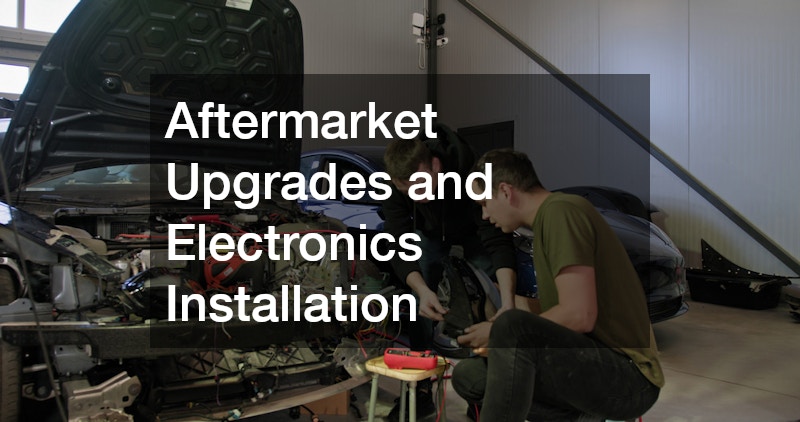
Many buyers assume their new car comes fully loaded, only to realize the factory audio system or tech package leaves something to be desired. Upgrading to better car stereos, speakers, or infotainment displays is a common but often unbudgeted expense in the first year of ownership. Installation costs can add up quickly, especially on vehicles with complex wiring or integrated touchscreen systems.
Beyond audio, buyers often add features like remote start, dash cameras, or upgraded lighting, each requiring professional installation to avoid voiding warranties. It is worth researching which upgrades are compatible with your specific trim level before making a purchase decision.
- Ask a dealer whether aftermarket installations affect factory warranty coverage
- Compare pricing between dealership accessory packages and independent installers
- Research compatibility before purchasing electronics for your specific model year
Recreational Vehicle Ownership Beyond the Daily Driver
Some new car buyers also own recreational vehicles like a golf cart for neighborhood errands, golf course use, or community living. These smaller vehicles come with their own hidden costs that mirror many of the surprises full-size car owners face. Tires, upholstery, and charging components all wear out faster than expected under regular use.
One of the most overlooked expenses is golf cart battery replacement, which can cost several hundred dollars depending on battery type and cart age. Owners who fail to budget for this often find themselves stuck negotiating between more expensive replacements or a reduced-capacity used option.
- Inspect battery terminals regularly for corrosion buildup
- Charge batteries fully after each use to extend lifespan
- Budget for battery replacement every three to five years depending on usage
Selling or Trading In When Ownership Costs Add Up

Eventually, many owners reach a point where the cumulative cost of repairs, maintenance, and upkeep makes it more sensible to sell than continue paying. A car that’s demanded a new transmission, several sets of tires, and recurring electrical fixes within a year or two is often signaling that the math no longer favors keeping it. Tracking these expenses against the vehicle’s current market value can make the decision clearer than relying on gut feeling alone.
Companies offering cash 4 cars have become a popular option for owners who want a fast, straightforward sale without the hassle of listing a vehicle privately. These buyers typically provide a quote within minutes, often based on the vehicle’s make, model, mileage, and condition, and many will arrange pickup within a day or two. For someone tired of pouring money into an aging car, that speed and simplicity can outweigh the possibility of squeezing out a slightly higher price through a private sale.
This route can be especially useful for cars with mechanical issues that would otherwise require expensive repairs before a private buyer would consider them. A vehicle with a failing engine or extensive rust damage may struggle to attract private buyers at all, or only at prices that barely cover the repair costs needed just to make it drivable. Selling as-is to a cash buyer sidesteps that problem entirely, letting owners recover some value without sinking more money into a car they’re ready to walk away from.
Trading in at a dealership is another option worth comparing, particularly when rolling the trade-in value into a new purchase. However, dealers often offer less than a dedicated cash-for-cars buyer would for a vehicle with significant wear or mechanical problems, since the trade-in value gets weighed against the profit margin on the new car. Getting a couple of quotes before committing to either path helps ensure the final decision reflects the vehicle’s real worth.
Before accepting any offer, it pays to get a couple of quotes from different sources—a dealer trade-in offer, an instant online buyer, and a private-party sale estimate—and compare them against your vehicle’s fair market value based on condition, mileage, and local demand. These numbers can vary by hundreds or even thousands of dollars, so it’s worth spending an extra hour or two shopping around before committing.
Timing matters as much as the offer itself. Selling before major repairs become necessary, like a transmission rebuild or a failing suspension component, can sometimes net more money than sinking further cash into an aging vehicle. If you’re facing a repair estimate that approaches 20-30% of the car’s current value, that’s often a signal it’s time to sell rather than fix. It’s also worth watching the calendar and the odometer. Trading in before you cross a major mileage threshold, like 60,000 or 100,000 miles, or before a manufacturer’s warranty expires, can meaningfully boost resale value since buyers often perceive these milestones as risk markers. Selling just ahead of these thresholds, rather than after, can be the difference between a solid offer and a lowball one.
- Get at least two to three offers before selling — try a dealer trade-in quote, an instant online offer (Carvana, CarMax), and a private-sale comparison to see the real spread
- Gather maintenance records to support your asking price — receipts for oil changes, tire rotations, and major services can justify hundreds more in resale value
- Consider timing your sale before a major repair becomes due — selling ahead of a timing belt, transmission, or suspension job avoids eating that cost yourself
- Watch mileage thresholds like 60,000, 100,000, and 150,000 — crossing these often triggers a noticeable drop in offers, so sell just before, not after
- Factor in your loan payoff amount before negotiating — if you owe more than the car’s worth, you’ll need cash at closing or a rolled-over balance on your next loan
Conclusion
New car ownership brings plenty of joy, but the smartest buyers are the ones who plan for the expenses that rarely make it into the sales pitch. By anticipating maintenance, repair, and upkeep costs early, you can avoid financial surprises and keep your vehicle running smoothly for years to come. Take time now to build a realistic ownership budget, and revisit it annually as your car ages and your needs change.