
When hail pounds a neighborhood or a windstorm sends branches flying, the damage to your vehicle is only half the story. The bigger surprise for many drivers comes weeks later, when repair estimates arrive higher than expected, and shop schedules stretch for months. Understanding why storm season triggers this cost surge can help you budget wisely, act quickly, and avoid getting stuck paying more than necessary.
This guide breaks down the real reasons behind rising repair prices and what you can do about it.
Sudden Spikes in Repair Demand
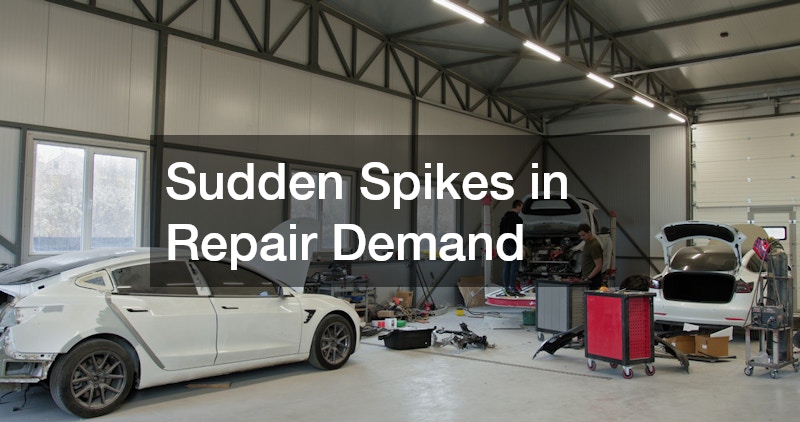
When a major hailstorm or windstorm rolls through a region, thousands of vehicles can sustain damage within a single afternoon. A single severe hail event can generate 50,000 to 100,000 damaged vehicle claims across a metro area, according to insurance industry estimates, all filed within days of each other. This creates an immediate surge in demand that overwhelms local repair capacity almost overnight.
Unlike everyday fender-benders that trickle in steadily, storm damage arrives in a flood, and every auto collision shop in the area suddenly has a backlog. A body shop that normally processes 20 to 30 vehicles a week might find itself with 300 or more waiting in line. Estimators get booked out weeks in advance, and simply scheduling an initial damage assessment can take longer than the repair itself once used to.
This concentrated surge also strains the supply chain that shops depend on. Parts distributors see the same spike in orders all at once, so common items like windshields, hood panels, and mirrors can go on backorder. Mobile catastrophe (CAT) teams and traveling repair crews often move into affected areas to help absorb the overflow, but even with reinforcements, the sheer volume means longer wait times, rental car shortages, and upward pressure on labor rates as shops compete for technicians.
Basic economics takes over once demand outpaces supply. A single severe hailstorm can damage tens of thousands of vehicles in a single metro area within hours, instantly overwhelming the handful of body shops equipped to handle the volume. When appointment books fill up weeks or months in advance, shops that normally quote fair, competitive prices can afford to raise labor rates simply because they no longer need to compete for customers.
This pricing shift shows up in several ways beyond the base labor rate. Shops may charge more for expedited service, add fees for storage while vehicles await repair, or quote higher prices on the assumption that insurance will cover the difference. Independent shops without a long-term contract holding them to set rates have the most flexibility to adjust pricing during these surges.
This is one of the biggest reasons your neighbor’s repair bill from a June hailstorm looks nothing like a repair bill from a quiet October afternoon. The same dent repair that might cost $150 on a slow day could easily run two or three times that amount when every shop within fifty miles is booked solid, and customers have little choice but to accept the going rate.
Limited Availability of Qualified Technicians
Every collision repair job requires skilled labor, and there are only so many certified technicians in any given metro area. During storm season, the ratio of damaged vehicles to available workers shifts dramatically, and that imbalance drives up labor costs. Many shops respond by bringing in traveling repair crews or catastrophe teams, but these specialists often charge premium rates for their time and travel.
Technician shortages also mean longer wait times, which indirectly raises costs through storage fees, rental car expenses, and diminished vehicle value while it sits unrepaired. A shortage of trained labor is arguably the single biggest driver behind seasonal price increases, more so than parts or materials in many cases.
- Certified technicians are limited in number even in large cities
- Catastrophe repair teams often charge higher hourly rates
- Longer repair timelines increase rental and storage costs
- Overtime pay for existing staff gets passed along to customers
Parts Shortages and Supply Chain Delays

A single hailstorm can generate demand for thousands of identical body panels, hoods, and mirrors within days. Manufacturers and parts suppliers are not typically stocked to handle that volume of simultaneous orders, so backorders become common. This scarcity pushes up the price of both OEM and aftermarket parts, and shops sometimes pay expedited shipping fees just to keep customers moving through the queue.
Supply chain pressure is especially acute for newer vehicle models with specialized sensors, cameras, and lightweight materials. These components are harder to source quickly, and the wait for a single part can stall an entire repair. When parts costs rise, that increase is almost always reflected in your final invoice.
Insurance Claim Volume and Adjuster Backlogs
Storms that damage hundreds or thousands of vehicles in one event also generate a massive spike in insurance claims. Adjusters get backed up, which slows down approvals and can delay the start of any repair work. Some insurers respond by adjusting how they calculate payouts, and in high-volume disaster areas, this can mean more scrutiny over which repairs get approved at full value.
Delays in claims processing often push vehicles further back in a shop’s queue, and vehicles sitting outside for weeks can experience secondary damage, like rust starting to form around chipped paint. Property owners should document everything immediately after a storm, including timestamped photos, to keep the claims process moving as smoothly as possible.
- File claims promptly to secure a place in the adjuster’s queue
- Take detailed photos of every panel, window, and mirror
- Ask your insurer about preferred repair networks and wait times
- Keep records of rental car and towing expenses for reimbursement
Specialized Techniques for Hail and Dent Damage
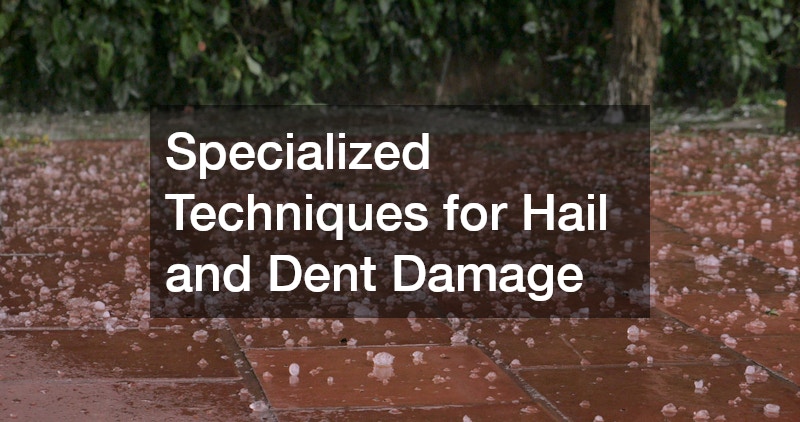
Hail creates a unique repair challenge because the damage is often cosmetic dents across a wide surface area rather than structural harm. Car hail damage repair frequently relies on paintless dent repair, a technique that massages metal back into shape without needing new paint. This method is often more affordable than traditional bodywork, but it still requires a trained eye to execute properly, and pricing depends heavily on the number and depth of dents.
Not every dent qualifies for paintless correction. Severe denting, cracked paint, or damage near the edges of panels sometimes requires traditional filling and repainting, which adds time and expense. Getting an accurate estimate early helps you understand which repair path your vehicle needs and prevents surprises once work begins.
- Small, shallow dents are usually good candidates for paintless correction
- Cracked paint or deep denting often requires panel replacement
- Roof and hood panels typically see the heaviest hail impact
- Getting multiple estimates helps you compare technique and pricing
Choosing a Repair Provider During Peak Season
Not every business handles high-volume storm repairs the same way, and picking the right shop matters more during peak season than at any other time of year. A reputable auto body shop will be upfront about wait times, provide a written estimate, and explain what parts of the repair are negotiable with your insurer. Rushing to the first available shop without checking reviews or certifications can lead to rework, delays, or subpar paint matching down the road.
It also helps to ask direct questions about warranty coverage and whether the shop uses OEM parts or aftermarket alternatives. A trustworthy auto body service shop will walk you through these tradeoffs rather than pushing you toward the fastest, cheapest option. It’s also worth asking how the shop plans to manage the seasonal backlog, since some facilities bring in extra technicians or extend hours to keep timelines reasonable. Taking the time to vet a provider upfront often saves money and frustration later.
- Ask about average turnaround time during storm season
- Confirm whether the shop is insurance-preferred or independent
- Check for manufacturer or ASE certifications
- Request a written estimate before authorizing any work
Protecting Fleet and Commercial Vehicle Investments
Storm season does not just hit personal vehicles hard; it can be devastating for businesses that rely on fleets for daily operations. A single hailstorm can take multiple company vehicles out of service at once, and that downtime often costs more than the auto body repair itself. Business owners should factor storm exposure into their fleet maintenance budgets, especially in regions prone to severe spring and summer weather.
For companies that operate large fleets, storm damage adds another layer of concern beyond the vehicles themselves. Insurance deductibles can add up quickly when several vehicles need auto body repair after the same storm event, and rental replacements for out-of-service vehicles can strain operating budgets further. Fleets that use car wraps for branding face an added expense too, since damaged panels often mean reprinting and reapplying graphics on top of the standard repair costs. Because commercial vehicles often log high mileage, delaying repairs can also compound wear issues, making prompt attention after a storm a smarter long-term financial decision.
- Schedule fleet inspections immediately after major storms
- Negotiate fleet-rate agreements with trusted repair shops in advance
- Consider temporary indoor parking arrangements during storm warnings
- Track repair costs by vehicle to identify recurring problem areas
Preventive Steps to Reduce Future Storm Damage Costs
While no product can make a vehicle completely stormproof, some protective measures reduce the severity of damage and, by extension, the repair bill. Covered parking, even a simple carport, dramatically cuts down on hail and debris exposure compared to leaving a vehicle in an open lot. Parking garages offer even better protection, and some drivers find it worthwhile to rent a covered spot seasonally rather than risk a hail-damaged hood or shattered windshield.
Weather alerts and moving a vehicle indoors ahead of a forecasted storm remain the most effective and low-cost prevention strategies available. Most smartphone weather apps now offer severe storm push notifications, and signing up for local emergency alerts can provide an extra hour or two of lead time to relocate a car. That window is often enough to pull into a garage, under an overpass, or into a car wash bay designed for exactly this purpose.
For drivers without access to covered parking, purpose-built hail blankets, vehicle wraps, and heavy-duty car covers offer a middle-ground solution, typically costing between $50 and $300 depending on coverage and material quality. These won’t stop a baseball-sized hailstone, but they meaningfully reduce dents from smaller hail and flying debris. Trimming overhanging tree branches near regular parking spots also lowers the risk of limbs falling during high winds.
Finally, reviewing insurance coverage before storm season begins is a preventive step in its own right. Comprehensive coverage with a manageable deductible can make the difference between a minor inconvenience and a costly repair bill after a major hail event.
Some owners also invest in protective coatings that add a layer of resilience to the vehicle’s exterior. A quality ceramic coating will not stop a golf-ball-sized hailstone from denting a hood, but it can help protect paint from minor abrasions, debris scratches, and the acidic residue that sometimes follows severe weather. Depending on the product and application method, these coatings typically cost between $500 and $1,500 for professional application, though DIY kits are available for a fraction of that price.
Paint protection film (PPF) is another option worth considering, especially for high-impact areas like the hood, mirrors, and leading edges of fenders. Unlike ceramic coating, PPF has some physical thickness to it, which means it can absorb a bit more impact from flying debris and light hail. Many owners combine both products, using PPF on vulnerable panels and ceramic coating elsewhere for a layered approach to protection.
Combined with covered parking, this kind of preventive maintenance can meaningfully reduce the cosmetic damage a storm leaves behind. It’s worth noting that neither coating nor film will prevent structural dents from significant hail, so garage access or a portable car cover rated for hail remains the most effective first line of defense. Think of these coatings as a way to protect against the secondary damage that follows a storm rather than the primary impact itself.
- Park under cover whenever severe weather is forecasted — a garage, carport, or even a sturdy overpass can prevent hail dents and falling debris damage
- Set up weather alerts for your specific zip code using apps like NOAA Weather or your phone’s built-in alert system, so you have time to relocate your vehicle
- Consider protective coatings such as ceramic coatings or paint protection film, which can reduce minor scratches and add a buffer against hail and flying debris
- Keep an emergency car cover in your trunk during storm season, ideally a padded or quilted hail-resistant cover rather than a lightweight rain cover
- Trim overhanging tree branches near your driveway or regular parking spot to reduce the risk of limb damage during high winds
- Check your comprehensive insurance coverage limits before storm season begins, so you understand your deductible and claim process in advance
Timing Your Repair to Avoid the Worst Delays
If your vehicle sustains only minor damage, waiting a few weeks after a major storm event can sometimes result in faster service and shorter lines at a busy shop. Many auto collision repairs for minor cosmetic issues are not urgent from a safety standpoint, so there is some flexibility in scheduling around the worst of the seasonal rush. That said, structural damage, broken glass, or anything affecting visibility or drivability should never wait.
Booking your appointment as soon as possible, even if the actual repair happens later, helps secure your spot in line before the schedule fills up completely. Shops often build waitlists during peak weeks, and being flagged early can shave real time off your total wait. A quick phone call right after a storm is a small effort that pays off significantly later.
- Prioritize immediate repair for safety-related damage
- Schedule non-urgent cosmetic repairs during shoulder seasons if possible
- Call shops early to get on a waitlist even before towing your vehicle
- Ask about mobile estimate services to speed up the initial assessment
Storm season repair costs are shaped by a mix of overwhelmed shops, parts shortages, insurance backlogs, and simple supply and demand. Knowing these factors in advance puts you in a stronger position to act quickly, ask the right questions, and avoid unnecessary expenses. Start by documenting any damage immediately, contacting your insurer, and reaching out to a reputable repair provider before the seasonal rush peaks. Taking these steps early is the most reliable way to protect both your vehicle and your budget.