
There is nothing quite like the feeling of driving a brand-new vehicle off the dealership lot. The cabin is pristine, the paint gleams flawlessly under the sunlight, the engine purrs with quiet efficiency, and the steering feels incredibly tight and responsive. For those first few months, driving is an absolute joy. But as the miles rack up, the realities of daily commuting, harsh weather conditions, and environmental contaminants begin to take their toll. The fresh smell fades, minor scratches appear mysteriously on the doors, the ride gets a little rougher, and the engine might not sound as whisper-quiet as it once did. Many drivers accept this gradual decline as an inevitable part of ownership, resigning themselves to the idea that a car is a depreciating asset destined to deteriorate.
However, accepting this decline is a choice, not a necessity. The truth is that the degradation of a vehicle is largely preventable. By adopting a proactive mindset rather than a reactive one, you can suspend your vehicle in that “like-new” state for years, if not decades. True longevity is not about waiting for a component to break and then fixing it; it is about establishing consistent, high-quality habits that protect the vehicle from premature wear and tear.
Maintaining a vehicle impeccably requires a multifaceted approach. It demands an understanding of the mechanical heartbeat under the hood, the structural integrity of the chassis and tires, the delicate chemistry of the exterior paint, and the sophisticated electronics that keep the car safe and accessible. This comprehensive guide will walk you through every aspect of long-term vehicle preservation. From the science of fluid dynamics and tire wear to the art of washing the clear coat and handling unexpected damage, we will explore the actionable, in-depth strategies required to protect your investment. By the end of this journey, you will have a complete blueprint for extending the life, beauty, and performance of your car indefinitely.
The Foundation of Longevity: Engine and Mechanics
Stick to a Strict Fluid Replacement Schedule
The internal combustion engine is a marvel of modern engineering, consisting of hundreds of rapidly moving metal parts operating under extreme heat and immense pressure. Without the intervention of specialized automotive fluids, these metal components would grind against one another, generating catastrophic friction that would fuse the engine block together in a matter of minutes. Therefore, managing these fluids is the absolute most critical element of your routine auto maintenance, setting the baseline for your vehicle’s mechanical lifespan.
Engine oil is often referred to as the lifeblood of the car, but its primary function goes beyond mere lubrication. It also cleans the engine by suspending microscopic metal shavings and combustion byproducts, and it helps dissipate heat away from the cylinders. Over time, however, oil breaks down. The intense heat shears the oil molecules, reducing its viscosity, while the accumulation of dirt and carbon turns it into a thick, abrasive sludge.
-
Check the Dipstick Regularly: Do not just rely on the dashboard mileage sticker. Pull the dipstick once a month. The oil should look like clear amber or light brown honey. If it looks thick, gritty, and jet black, it is time for a change, regardless of what the odometer says.
-
Understand Viscosity and Synthetics: Always use the exact oil weight recommended by your manufacturer (e.g., 0W-20, 5W-30). While conventional oil is cheaper, full synthetic oil offers superior molecular stability, better extreme-temperature performance, and a longer lifespan between changes.
Beyond engine oil, you must pay strict attention to the auxiliary fluids that keep the transmission, cooling system, and brakes functioning:
-
Coolant (Antifreeze): This regulates the engine temperature. Over time, coolant becomes acidic and can corrode the inside of the radiator and water pump. Flush and replace it every 30,000 to 50,000 miles to prevent overheating.
-
Transmission Fluid: Whether you drive a manual, an automatic, or a CVT (Continuously Variable Transmission), the transmission fluid provides hydraulic pressure and friction modification. Burnt or depleted transmission fluid leads to slipping gears and incredibly costly rebuilds.
-
Brake Fluid: Brake fluid is highly hygroscopic, meaning it actively absorbs moisture from the air. As water content in the fluid increases, its boiling point decreases, which can lead to brake fade or complete failure during heavy braking. Flush it every two years.
Listen to Your Car’s Early Warning Signs
Vehicles rarely fail without warning. Long before a catastrophic breakdown leaves you stranded on the side of the highway, your car will attempt to communicate its distress through a symphony of unusual sounds, smells, and sensations. Ignoring these early warning signs is the fastest way to turn a minor, inexpensive fix into a massive bill for complete auto engine repair that could put your vehicle out of commission for weeks.
Developing mechanical empathy means tuning into what your car feels and sounds like when it is perfectly healthy, so you can immediately detect when something is amiss. Here are the critical signs you should never ignore:
-
The Sounds of Trouble: A high-pitched squeal when accelerating usually points to a loose or worn serpentine belt. A deep, metallic knocking sound coming from the engine block often indicates worn rod bearings, a severe issue requiring immediate attention. Grinding sounds when applying the brakes mean your brake pads have completely worn away, and the metal caliper is currently destroying your brake rotor.
-
The Smells of Distress: If you smell a distinct, sweet, syrupy odor coming through your air vents, you likely have a coolant leak, possibly from the heater core. A sharp, acrid burning smell often indicates leaking oil dripping onto the hot exhaust manifold. A scent similar to burning carpet or sulfur usually points to overheating brakes or a failing catalytic converter.
-
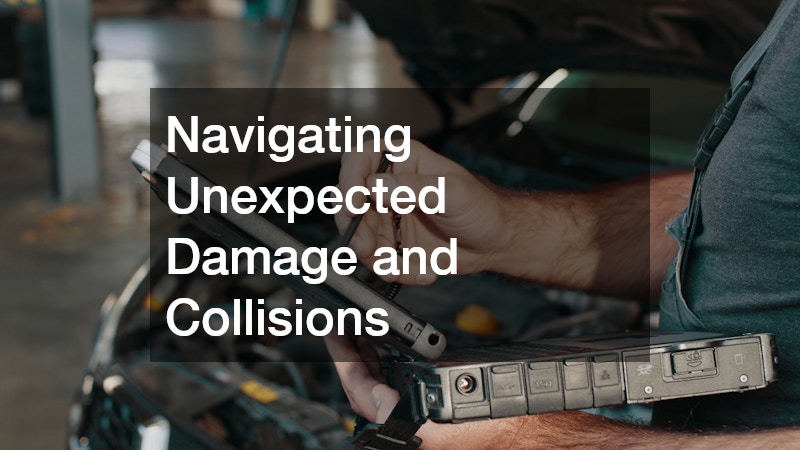
Dashboard Diagnostics: Never treat a Check Engine Light as a mere suggestion. While it could be triggered by something as benign as a loose gas cap, it could also indicate a misfiring cylinder or a dying mass airflow sensor. Invest in an inexpensive OBD-II (On-Board Diagnostics) scanner. When a light comes on, plug the scanner into the port under your steering wheel to retrieve the exact error code, giving you a clear idea of the problem before you hand the keys over to a mechanic.
Maximizing Tire Life and Steering Precision
Rotate and Inspect Tires Seasonally
Your tires are the single most important safety feature on your vehicle. They are the only physical connection between your heavy, fast-moving car and the pavement. Despite their critical importance, tires are frequently neglected until they go flat or cause a loss of traction in the rain. To keep your car handling like it did on day one, you must meticulously monitor the health of your rubber.
Tread depth is the primary indicator of a tire’s ability to grip the road and channel water away to prevent hydroplaning. While the old “penny test” (inserting a Lincoln penny upside down into the tread to see if his head is covered) is a good quick check, investing in a proper tread depth gauge provides exact millimeter readings. When your tread reaches 4/32 of an inch, it is time to start shopping; at 2/32, the tires are legally bald and dangerously unsafe.
-
Implement a Rotation Schedule: The weight of a vehicle is rarely distributed evenly. In a front-wheel-drive car, the front tires bear the weight of the engine, handle the steering, and provide the acceleration, causing them to wear out exponentially faster than the rear tires. To ensure all four tires degrade at an even pace, rotate them every 5,000 to 7,500 miles.
-
Monitor Inflation Intently: Tire pressure fluctuates with the ambient temperature, dropping about 1 PSI for every 10-degree drop in weather. Under-inflated tires cause sluggish handling, decreased fuel economy, and excessive wear on the outer edges of the tread. Over-inflated tires result in a harsh, bouncy ride and premature wear in the center of the tread. Check your pressure monthly with a digital gauge.
Correct Suspension Drift Immediately
A vehicle that drives like new should track perfectly straight down a level highway with minimal input on the steering wheel. If you find yourself constantly applying pressure to the left or right just to keep the car in its lane, or if the steering wheel vibrates aggressively at highway speeds, your suspension geometry has been compromised.
Suspension components—including shocks, struts, tie rods, ball joints, and control arms—work in unison to absorb road impacts and keep the tires firmly planted at precise angles. Hitting a deep pothole, bumping a curb while parallel parking, or simply enduring years of rough roads can knock these delicate angles out of specification.
-
Camber, Caster, and Toe: These are the three critical angles of wheel alignment. Camber is the inward or outward tilt of the tire when viewed from the front. Caster is the angle of the steering pivot when viewed from the side. Toe is the direction the tires point relative to each other (like being pigeon-toed).
-
The Cost of Ignoring Alignment: When these angles are off, the tires are essentially being dragged sideways down the road rather than rolling smoothly forward. This will strip the tread off a brand-new set of tires in a matter of months.
To preserve the pristine handling of your car and protect your expensive rubber, take the vehicle to a specialized car alignment shop the moment you notice any drift, pulling, or steering wheel vibration. A technician will use laser-guided machines to recalibrate the suspension geometry back to the manufacturer’s exact specifications, restoring that tight, factory-fresh steering feel.

Preserving the Exterior Shine and Structural Integrity
Commit to a Two-Bucket Wash and Seasonal Wax
The exterior paint of your vehicle is not just about aesthetics; it is the primary barrier protecting the underlying steel and aluminum frame from rapid oxidation and decay. Modern automotive paint consists of a primer, a colored base coat, and a transparent top layer called the clear coat. The clear coat provides the glossy shine and shields the base color from the sun’s destructive ultraviolet rays. Keeping the car looking new requires obsessive protection of this clear coat layer.
The vast majority of swirl marks, micro-scratches, and dullness found on older cars are actually inflicted by their owners during improper washing. Taking a car through an automated, drive-through car wash with giant spinning bristles is akin to slapping the paint with a muddy mop. Those bristles retain abrasive dirt from the hundreds of cars that passed through before yours, scouring your clear coat.
-
The Two-Bucket Method: To wash a car safely, fill one bucket with soapy water and a second bucket with plain, clean water. Place plastic grit guards at the bottom of both. Dip a premium microfiber wash mitt into the soapy water, wash one panel of the car, and then vigorously rinse the mitt in the clean water bucket before getting more soap. This ensures you are never dragging abrasive dirt back across the paint.
-
Decontamination and Protection: Washing only removes loose dirt. To remove bonded contaminants like tree sap, industrial fallout, and embedded brake dust, you must gently rub the wet paint with a detailing clay bar. Once the paint is as smooth as glass, it must be protected. Apply a high-quality carnauba wax, a synthetic polymer sealant, or a ceramic coating to provide a sacrificial barrier against the elements.
If your clear coat is already heavily swirled, oxidized, or dull, a simple wash will not revive it. In these cases, it is highly recommended to seek out professional auto detailing services to perform a multi-stage paint correction. These professionals use rotary polishers and microscopic abrasives to gently level the clear coat, removing the scratches permanently and restoring a mirror-like finish before applying a protective coating.
Address Rust Spots and Deep Scratches Promptly
Even the most meticulously washed and waxed vehicle will eventually suffer a battle scar. A rogue shopping cart in a parking lot, a rock kicked up by a semi-truck on the highway, or a careless driver opening their door too wide can easily chip the paint. While it is tempting to ignore a tiny blemish, leaving exposed metal vulnerable to the elements is a fatal error in vehicle preservation.
When the clear coat and base coat are breached, oxygen and moisture immediately begin reacting with the bare metal, initiating the chemical process of oxidation—better known as rust. Once rust takes hold, it acts like a localized cancer, bubbling up under the surrounding healthy paint and slowly eating away at the structural integrity of the body panel.
-
Triage Minor Chips: For small stone chips, purchase an exact color-matched touch-up paint pen from your dealership. Clean the chip thoroughly with rubbing alcohol, carefully dab the paint into the recess, and let it cure. This creates a temporary seal that prevents moisture from reaching the metal.
-
Handle Deep Damage Professionally: If a scratch goes down to the white primer or the bare metal, or if a panel has a deep crease that cracks the surrounding clear coat, a touch-up pen will not suffice. You must bring the vehicle to an experienced auto body shop for a proper repair. They will sand the damaged area down to the substrate, apply a protective primer, blend the new color coat seamlessly into the surrounding original paint, and re-apply a hardened clear coat. Addressing these issues immediately ensures that a $200 scratch repair does not evolve into a $2,000 panel replacement due to severe rust rot.
Navigating Unexpected Damage and Collisions
Document and Assess Even Minor Fender Benders
No matter how defensively you drive, the chaotic nature of public roads means that collisions are sometimes unavoidable. Whether you are rear-ended at a stoplight or side-swiped in a tight parking garage, the way you handle the immediate aftermath of an impact dictates how well your car will recover its original structural integrity.
Many drivers make the mistake of visually inspecting a minor 5-mph bumper tap, exchanging a polite wave with the other driver, and driving away without exchanging information. Modern vehicles are explicitly designed to crumple and absorb kinetic energy to protect the occupants inside. This means that a plastic bumper cover might pop back out and look perfectly normal on the outside, while concealing thousands of dollars of severe structural damage underneath.
-
Document Everything: If you are involved in any impact, pull over safely. Take extensive photographs of both vehicles from multiple angles, capturing license plates, the surrounding environment, and any debris on the road. Exchange insurance information and, if necessary, wait for law enforcement to file an official report.
-
Look Deeper Than the Surface: Behind that flexible plastic bumper cover lies a complex network of crush sensors, dense foam energy absorbers, and a rigid steel or aluminum impact bar bolted directly to the vehicle’s frame rails. Even a low-speed impact can crack the foam, bend the impact bar, and permanently skew the frame alignment.
Assuming a car is fine just because it looks fine after a minor collision is a massive gamble. Skimping on proper auto accident repair can leave you driving a vehicle with compromised safety systems, meaning the car will not protect you properly if you are involved in a second, more severe crash down the line.
Choose Certified Professionals for Frame and Paint Work
When a collision requires professional intervention, selecting the right facility is paramount. Not all collision centers are created equal, and prioritizing the cheapest estimate over the highest quality car accident repair will invariably result in a car that never quite looks or drives the same again.
When choosing where to entrust your vehicle, you must investigate their certifications, their equipment, and their parts sourcing philosophy.
-
Demand OEM Parts: Always insist on the use of Original Equipment Manufacturer (OEM) parts rather than cheaper, aftermarket alternatives. Aftermarket body panels often have poor fitment, resulting in uneven panel gaps, misaligned body lines, and hoods that rattle at highway speeds.
-
Sensor Recalibration is Mandatory: Modern vehicles are rolling computers, equipped with Advanced Driver Assistance Systems (ADAS). There are radar sensors behind the front grille for adaptive cruise control, sonar sensors in the bumpers for parking assist, and blind-spot monitoring cameras in the side mirrors. When a body panel is removed, repaired, or replaced, these sensitive instruments are disturbed.
To ensure the vehicle is returned to its precise factory specifications, you must utilize a modern, highly-rated auto body center equipped with advanced laser-measuring systems for frame straightening and dedicated diagnostic computers for ADAS recalibration. If these sensors are even one degree out of alignment after a repair, features like automatic emergency braking may fail to engage when you need them most, or worse, engage unexpectedly on the highway. A top-tier facility will guarantee perfect structural geometry, flawless paint blending, and fully functional electronics.
Ensuring Clear Vision and Secure Access
Stop Windshield Cracks Before They Spread
The windshield of a vehicle is not merely a piece of glass designed to keep the wind out of your face; it is a critical structural component of the car’s cabin. In the event of a rollover crash, the windshield provides a significant portion of the roof’s crush resistance, preventing the cabin from collapsing inward. Furthermore, the passenger-side airbag relies on the structural rigidity of the windshield to deploy correctly; it bounces off the glass to direct its energy toward the passenger. Therefore, maintaining pristine, undamaged auto glass is essential for both visibility and safety.
Because windshield glass is highly tempered and laminated, it reacts violently to physical stress and extreme temperature differentials. A tiny, seemingly harmless pebble kicked up by a dump truck can create a micro-chip in the outer layer of the glass. If left unattended, this tiny chip is a ticking time bomb.
-
The Danger of Temperature Swings: If you have a small chip in your windshield and park your car in the blazing summer sun, the glass expands. When you get in and blast the cold air conditioning, the rapid contraction of the interior glass layer causes immense stress, frequently forcing the tiny chip to instantly spiderweb into a massive, jagged crack across your entire line of sight. The same happens in winter when blasting the hot defroster on a frozen windshield.
-
Act Quickly on Small Damage: The moment you notice a bullseye, star, or half-moon chip, place a small piece of clear tape over it to keep dirt and moisture out. Within a few days, schedule a professional auto glass repair. A technician will inject a specialized, optically clear epoxy resin into the void under high pressure, curing it with a UV light. This process takes twenty minutes, restores the structural integrity of the glass, and costs a fraction of a full windshield replacement.
Protect Your Fobs and Entry Systems
In the pursuit of keeping a car running like new, the mechanical engine and physical body often overshadow the critical systems that allow you to actually enter and operate the vehicle. Modern cars rely heavily on sophisticated electronics for access, utilizing smart keys, RFID proximity sensors, and complex door actuators. When these access systems fail, you are effectively locked out of your pristine vehicle.
Smart key fobs continuously transmit a low-frequency radio signal to the car, allowing for keyless entry and push-button starts. However, this constant transmission drains the fob’s internal battery.
-
Preventative Battery Replacement: Do not wait until you are stranded in a dark parking lot pressing a dead button. Replace the CR2032 (or similar) coin battery in your key fob every two years as a matter of routine maintenance.
-
Maintain the Physical Backup Systems: Even with smart keys, your driver’s side door still possesses a physical lock cylinder hidden beneath a plastic cap, designed as an emergency backup. Because it is rarely used, this physical lock is highly susceptible to seizing up from dirt, moisture, and lack of lubrication. Once a year, inject a dry graphite lubricant into the keyhole and work the physical metal key in and out to ensure the pins remain moving freely.
If you ever find yourself facing a complete failure of the entry system—whether due to a dead fob, a seized lock cylinder, or a burned-out door actuator motor—resist the urge to pry the door open with a coat hanger or a wedge. Modern doors contain side-impact airbags, intricate wiring harnesses, and thick sound-deadening materials. Attempting to force entry will almost certainly result in gouged paint, torn weather stripping, and destroyed window regulators. Instead, contact a licensed auto locksmith who possesses the specialized diagnostic tools and transponder programming equipment required to bypass the security system and regain entry without inflicting thousands of dollars of damage to your doors.
Customizing for Purpose and Protection
Install Protective Gear for Heavy-Duty Use
While diligent cleaning and cautious driving go a long way in preserving a vehicle, they sometimes fall short if the car is subjected to heavy, utilitarian use. If you use your vehicle for hauling construction materials, transporting muddy sporting equipment, driving off-road, or shuttling a family with young children and pets, the factory materials will inevitably degrade at an accelerated rate. The carpeting will stain, the plastic trim will get gouged, and the cargo area will suffer severe abrasions.
To keep the vehicle looking new despite this heavy use, you must preemptively armor the most vulnerable areas of the interior and exterior. Customizing a vehicle with protective gear ensures that when it is finally time to sell or trade the car, you can strip away the armor to reveal factory-fresh finishes underneath.
-
Interior Defenses: Ditch the flimsy carpet floor mats that came from the factory and invest in laser-measured, high-walled, all-weather thermoplastic floor liners. These liners trap spilled coffee, muddy boots, and melting snow, preventing moisture from seeping into the floorboards and causing mold or rust. Similarly, custom-fit, waterproof seat covers (such as neoprene or heavy-duty canvas) will protect the delicate factory leather or cloth upholstery from tears, UV fading, and pet claws.
-
Exterior Shielding: For trucks and SUVs, a drop-in plastic bedliner can crack and trap water underneath, causing rust. A spray-in polyurethane bedliner provides a permanent, watertight, and dent-resistant shield for the cargo area. For the paint, consider having Paint Protection Film (PPF)—a self-healing, clear polyurethane film—applied to the high-impact areas like the front bumper, hood, and side mirrors to absorb rock strikes without chipping the paint.
While some of these additions can be installed in your driveway, complex electrical additions or permanent exterior modifications should not be left to trial and error. Utilizing a professional automotive upfitting service ensures that heavy-duty accessories, such as roof racks, towing packages, auxiliary lighting, or heavy-duty suspension upgrades, are integrated seamlessly into the vehicle without drilling unnecessary holes, voiding the manufacturer’s warranty, or damaging the underlying factory finishes.
Conclusion
Preserving a vehicle so that it looks, handles, and performs like it just rolled off the assembly line is an ongoing, highly rewarding commitment. It requires shifting your perspective from viewing car care as a series of inconvenient chores to recognizing it as a strategic investment in the longevity, safety, and value of your machine. A car is an incredibly complex combination of combustible chemistry, intricate mechanics, fragile electronics, and delicate exterior finishes. Expecting it to survive the harsh realities of the open road without dedicated support is a recipe for rapid depreciation and constant frustration.
By executing a strict schedule of fluid replacements, paying close attention to early mechanical warning signs, maintaining perfect suspension geometry, and washing the exterior with meticulous care, you are actively pushing back against the natural forces of degradation. Furthermore, by handling inevitable collisions, windshield damage, and access system failures with professional expertise and high-quality parts, you ensure that unexpected setbacks do not permanently compromise the vehicle’s integrity.
Take a moment to walk out to your driveway today. Look closely at the paint, check the oil, test the tire pressure, and review your maintenance records. Taking that first proactive step sets the foundation for a vehicle that will reliably serve you for hundreds of thousands of miles, delivering that tight, safe, and beautiful “new car” experience every single time you turn the key.